
In typically the rapidly evolving world of software development, developing Artificial Intelligence (AI) into code era workflows has come to be a transformative force. AI-driven code era tools, such as GitHub Copilot and OpenAI Codex, have totally changed how developers method coding by robotizing code creation, indicating improvements, and increasing the development process. However, the high quality and reliability regarding AI-generated code are paramount for guaranteeing robust software methods. One critical element of maintaining substantial code quality is the integration of code coverage tools into AI code generation workflows.
Comprehending Code Coverage
Program code coverage is a new software testing metric that measures typically the percentage of the program’s code that is carried out during testing. It provides insights in to which parts of the code are tested and which often are not, aiding identify areas that will may be under-tested or potentially buggy. Key types involving code coverage contain:
Statement Coverage: Measures the percentage involving executable statements in the code that have been executed.
Branch Coverage: Assesses no matter if each possible branch from decision items (like if-else conditions) has been executed.
Path Coverage: Examines whether all achievable paths through a new given part involving the code have been executed.
Function Insurance: Measures the portion of functions or perhaps methods that possess been called.
Successful use of signal coverage tools assists developers ensure that will their code is definitely thoroughly tested, which is especially important whenever AI systems create code that may well not always abide by best practices or perhaps handle edge cases.
Why Integrate Computer code Coverage with AI Code Generation?
Including code coverage resources with AI program code generation workflows will be crucial for a number of causes:
Quality Assurance: AI-generated code can occasionally lack the depth of human perception and might not always account for border cases or intricate scenarios. Code insurance coverage tools help recognize untested areas and ensure that generated computer code is robust and reliable.
Feedback Trap: Code coverage metrics provide valuable feedback on the performance of generated computer code. This feedback can be used to be able to improve AI types by fine-tuning their suggestions and training those to generate code with better insurance coverage.
Compliance and Requirements: In regulated industries or projects with strict quality requirements, having comprehensive analyze coverage is usually a requirement. Computer code coverage tools support ensure that AI-generated code meets these requirements.
Early Detection of Issues: Simply by integrating code coverage in to the AI signal generation workflow, programmers can catch prospective issues early inside the development method, reducing the risk of pricey bugs and remodel later.
Integrating Signal Coverage Tools in to AI Code Generation Workflows
The integration method involves several essential steps and concerns:
1. Selecting the most appropriate Program code Coverage Application
Picking the right signal coverage tool is the very first step inside the integration process. Several tools can be obtained, each with their features and strengths. Popular options include:
JaCoCo: An open-source tool for Espresso code coverage.
Istanbul: A widely used tool for JavaScript code coverage.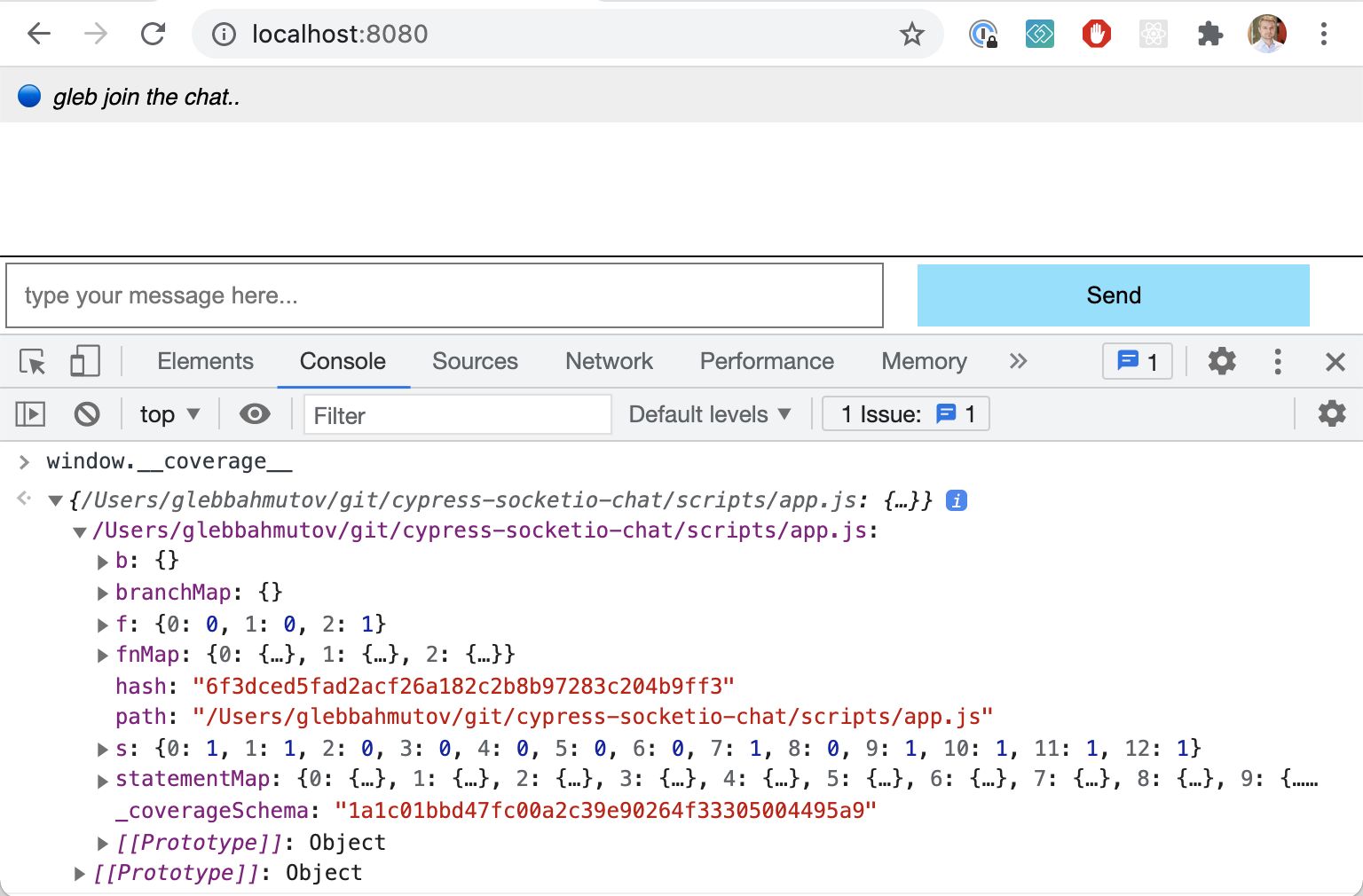
Protection. py: A program code coverage tool regarding Python.
Coverlet: A cross-platform code insurance coverage library for. WEB.
The choice associated with tool depends upon the programming dialect and the certain requirements of typically the project.
2. Establishing Up Code Insurance Tools
Once typically the tool is selected, it takes to be integrated into the expansion environment. This typically involves:
Installation: Installing the code insurance coverage tool and any necessary dependencies.
Settings: Configuring the application to work together with the project’s create and test procedures. This may require setting up settings files, specifying which usually elements of the computer code to include or leave out from coverage, in addition to defining coverage thresholds.
3. Integrating together with AI Code Technology Resources
Integrating code coverage tools using AI code generation tools requires making sure that the developed code is tested and covered. This kind of involves:
Automated Screening: Setting up automatic tests that will run everytime signal is generated or modified. These tests should be complete and cover various scenarios, including border cases.
Continuous Integration (CI): Integrating typically the code coverage tool with the CI pipeline ensures that code coverage metrics are collected quickly during the construct process. Popular CI/CD platforms like Jenkins, GitHub Actions, and GitLab CI assistance code coverage integrations.
4. Monitoring in addition to Analyzing Code Insurance Metrics
After the usage, it’s important in order to monitor and evaluate code coverage metrics regularly:
Dashboard plus Reports: Many signal coverage tools supply dashboards and information that visualize insurance metrics. Reviewing these types of reports helps determine parts of the computer code that need more assessment.
Coverage Thresholds: Setting coverage thresholds will help ensure that program code coverage meets minimal requirements before computer code is merged or deployed. Alerts may be configured to be able to notify developers in case coverage falls under the threshold.
5. Employing Code Coverage Files to Improve AJE Models
The data collected from program code coverage tools may be used to be able to improve AI signal generation models:
Comments Loop: Providing feedback to AI designs based on signal coverage data allows refine their ideas and improve the quality of generated code.
Training Info: Code coverage metrics can be used as added training data intended for AI models, supporting them learn in order to generate code that will is more most likely to be well-tested and reliable.
Problems and Guidelines
Integrating code coverage tools with AI code generation workflows presents some challenges:
Overall performance Overhead: Running code coverage analysis could introduce performance cost to do business in the CI pipeline. It’s important to balance thorough protection with the influence on build instances.
False Positives/Negatives: Signal coverage tools may report false advantages or negatives. Frequently reviewing coverage reviews and refining checks can help reduce these issues.
Ideal Practices:
Regular Evaluations: Regularly review in addition to update tests and coverage configurations to make sure they remain related and effective.
Comprehensive Testing: Ensure that will tests cover a wide range involving scenarios, including edge cases and possible failure points.
click now : Foster collaboration in between developers, QA clubs, and data scientists to continuously improve code quality and even coverage.
Conclusion
Developing code coverage equipment into AI code generation workflows will be a vital phase in ensuring the high quality and reliability of software. By systematically preparing code coverage tools, automating tests, and using coverage data in order to refine AI types, developers can funnel the power associated with AI while maintaining substantial standards of signal quality. As AI-driven code generation goes on to advance, powerful integration of code coverage will perform an important role throughout delivering robust plus dependable software options.