
The growing demand for cannabidiol (CBD) has led to an increasing number of pet owners looking for CBD products to ease various health problems in their pets, running from anxiety to be able to chronic pain. However, the regulatory landscape surrounding CBD goods for pets could be complex and varies significantly by simply region. This post will provide a summary of the current regulations governing CBD products for animals and outline key actions businesses can acquire to ensure conformity.
Understanding CBD as well as Use in Household pets
CBD is the non-psychoactive compound derived from the marijuana plant. Unlike tetrahydrocannabinol (THC), the psychoactive component of cannabis, CBD does not produce a “high” and has already been touted for their potential therapeutic rewards, including:
Anxiety alleviation: Many pet owners statement that CBD helps reduce anxiety inside their pets, especially during stressful situations such as thunderstorms or fireworks.
Discomfort management: CBD has anti-inflammatory properties of which may aid in handling chronic pain linked with conditions such as arthritis.
Seizure handle: Some studies claim that CBD can help control seizures inside pets, making this a potential therapy for epilepsy.
Presented these potential advantages, the demand intended for CBD products particularly formulated for dogs has surged. On the other hand, this has likewise raised concerns concerning safety, efficacy, and even regulation.
Regulatory Panorama for CBD Goods
1. Federal Polices in the Usa States
In typically the U. S., the particular regulatory framework regarding CBD products is primarily governed by simply the Fda (FDA) and the U. S. Department of Agriculture (USDA). The subsequent key points summarize the federal polices surrounding CBD goods for pets:
FOOD AND DRUG ADMINISTRATION Oversight: The FDA have not approved CENTRAL BUSINESS DISTRICT for use in food or dietary supplements for pets, although it has accepted a CBD-based medication, Epidiolex, for treating seizures in humans. This means that CBD goods marketed for domestic pets cannot make health claims unless they are approved by the particular FDA.
Labeling Requirements: CBD products must be accurately labeled, including the volume of CBD within each serving, and even should not include misleading claims about their effects. The FDA has issued caution letters to several companies for generating unfounded health claims about their CENTRAL BUSINESS DISTRICT products for household pets.
Compliance with typically the 2018 Farm Bill: The 2018 Farm Bill legalized the cultivation of hemp plus the sale associated with hemp-derived CBD goods, provided they consist of less than 0. 3% THC. Nevertheless, this does certainly not guarantee that almost all hemp-derived CBD items for pets are usually legal or risk-free.
2. State Polices
The regulatory atmosphere at the state level can get even more complex. Different states have different laws regarding the particular sale and employ of CBD goods for pets:
Legal Status: Some areas have enacted laws specifically regulating CENTRAL BUSINESS DISTRICT products for animals, while others may possibly follow the general guidelines set by the FDA. It’s essential for organizations to understand the specific regulations in the states wherever they operate.
License and Registration: In certain states, organizations selling CBD items for pets may possibly need to get licenses or permits. These regulations can easily vary widely, as a result it’s essential to check with state authorities.
Screening and Quality Criteria: Some states experience established testing requirements for CBD items, mandating that goods undergo third-party screening for potency, wholesomeness, and safety. It will help ensure that goods are totally free of harmful contaminants.
Ensuring Complying with Rules
For businesses looking to be able to enter the CBD pet product market, ensuring compliance with restrictions is vital. Here are usually key steps to think about:
1. Stay Informed
Regulations surrounding CBD products are continuously evolving. internet to stay informed about changes in federal and local regulations. Consider subscribing to industry newsletters, joining trade interactions, or attending meetings focused on hashish regulations.
2. Talk to Legal Experts
Working together with legal professionals which specialize in cannabis legislation will help businesses find their way the complex corporate landscape. Legal specialists provides guidance about compliance with FDA regulations, state regulations, and guidelines with regard to labeling and marketing CBD products.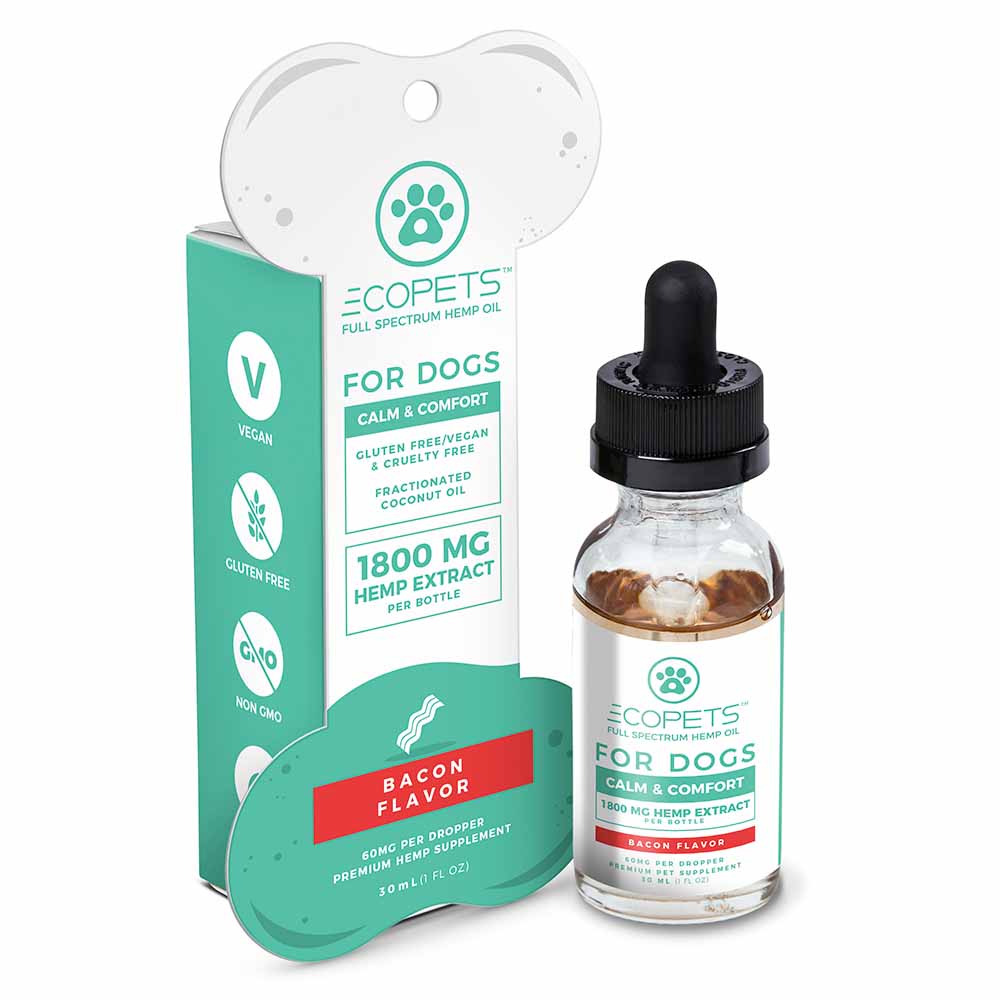
3. Implement Quality Command Measures
To ensure product safety and effectiveness, businesses should apply robust quality command measures, including:
Thirdparty Testing: Partner with separate laboratories to try goods for potency, purity, and contaminants. Offer customers with records of analysis (COAs) to demonstrate compliance with safety criteria.
Standard Operating Treatments (SOPs): Develop and even maintain SOPs with regard to product development, making, and quality guarantee. It will help minimize the risk of non-compliance and enhance product quality.
4. Precise Labeling and Advertising and marketing
Make sure that all labeling and marketing materials comply with FOOD AND DRUG ADMINISTRATION guidelines:
Avoid Inaccurate Claims: Do not necessarily make health states about the effectiveness of CBD products for pets except if supported by clinical evidence and accepted by the FDA.
Clear Ingredient Listings: Provide an obvious list of components, such as amount involving CBD and virtually any other active elements. This transparency develops trust with consumers.
5. Engage along with Customers
Educate animal owners about CBD products, their prospective benefits, and the particular significance of consulting along with veterinarians before employ. Providing educational assets can help build credibility and foster consumer trust.
The significance of Veterinary Guidance
Since the use of CBD for pets will become more mainstream, it’s vital for pet owners to consult with veterinarians before introducing CBD products with their household pets. Veterinarians can offer guidance based on individual pet needs and may also help pet owners navigate the legitimate landscape of CBD use for household pets.
Conclusion
The regulating landscape for CBD products for house animals is complex and even varies widely by simply jurisdiction. Businesses entering this market must navigate federal and state regulations, ensure compliance with brands and marketing requirements, and implement demanding quality control actions. By staying informed and seeking legal guidance, companies may successfully navigate typically the regulatory landscape and even help with a dependable and compliant CBD market for animals. As research goes on to evolve, the future of CBD in typically the pet wellness space holds promise, yet it is important to be able to approach it along with caution and complying to ensure the safety and wellbeing in our beloved companions.