
In recent years, the agricultural local community has faced mounting pressure to adopt sustainable practices that will promote environmental well being, reduce carbon foot prints, and ensure food security for prospect generations. Among the particular various crops of which have emerged because beneficial in this kind of regard, hemp is an acronym out due to be able to its versatility, hardiness, and eco-friendly qualities. This article is exploring the role associated with hemp seeds inside sustainable agriculture, specifically focusing on their own benefits to ground health, crop revolving practices, and their capacity to reduce the particular requirement for chemical manures.
Understanding Hemp: A Brief Guide
Hemp, a variety involving the Cannabis sativa plant, has already been cultivated for thousands of years for its fibers, seed, and oil. As opposed to its psychoactive comparable version, marijuana, hemp includes minimal amounts involving tetrahydrocannabinol (THC), generating it ideal for numerous industrial applications without the associated legal complications. check my source of the hemp plant are nutrient-dense, offering a wealthy source of protein, healthy fats, and important minerals and vitamins. Their potential goes beyond nutrition; hemp cultivation can enjoy a tremendous role inside advancing sustainable gardening practices.
Soil Health and fitness: The inspiration of Environmentally friendly Cultivation
Soil well being is paramount in order to sustainable agriculture. Healthful soils not simply provide the required nutrients for flower growth but furthermore give rise to water preservation, erosion control, and the overall resilience of the environment. Hemp cultivation absolutely influences soil wellness in a number of ways:
1. Soil Structure Improvement
Hemp has a new deep taproot method that penetrates typically the soil, promoting oygenation and improving ground structure. This heavy rooting allows for enhanced water infiltration and even retention, reducing surface runoff and dirt erosion. Additionally, the particular fibrous root program helps to hole the soil allergens together, creating a new more stable construction conducive to herb growth.
2. Nutritious Cycling
As hemp grows, it absorbs a variety of nutrients through the soil, which include nitrogen, phosphorus, and potassium. When hemp is harvested, the remaining plant content can be left during a call as green manure. This training not only adds organic matter back directly into the soil yet also enhances nutritional cycling. The decomposition of leftover biomass enriches the garden soil, making it a lot more fertile for future crops.
3. Ground Remediation
Hemp is known due to its phytoremediation properties, meaning this can help detoxify contaminated soils. Hemp plants can absorb heavy metals and other pollutants, effectively cleaning the garden soil and rendering it less dangerous for future crops. This capacity to restore degraded land is definitely crucial in locations affected by professional pollution or abnormal chemical use inside agriculture.
Crop Revolving: A Key Technique for Sustainable Farming
Plants rotation is the essential practice on sustainable agriculture that will involves alternating diverse crops in a particular field after some time. This method helps to be able to maintain soil sperm count, disrupt pest process, and reduce the threat of diseases. Hemp plays a beneficial role in crop rotation for the particular following reasons:
one particular. Pest and Condition Management
By incorporating hemp into a plant rotation plan, farmers can break the particular lifecycle of pests and diseases of which thrive on specific crops. Hemp’s exclusive growth cycle in addition to resistance to certain pests can decrease the prevalence associated with crop-specific diseases, primary to healthier job areas and higher brings.
2. Diversity and even Resilience
Planting a various range of seeds, including hemp, boosts biodiversity on facilities. Biodiversity enhances environment resilience, allowing the particular agricultural system to be able to better withstand heavy weather events and pest outbreaks. A new varied crop rotator also promotes a more balanced source of nourishment profile in typically the soil, reducing reliability on synthetic manures.
3. Improved Ground Fertility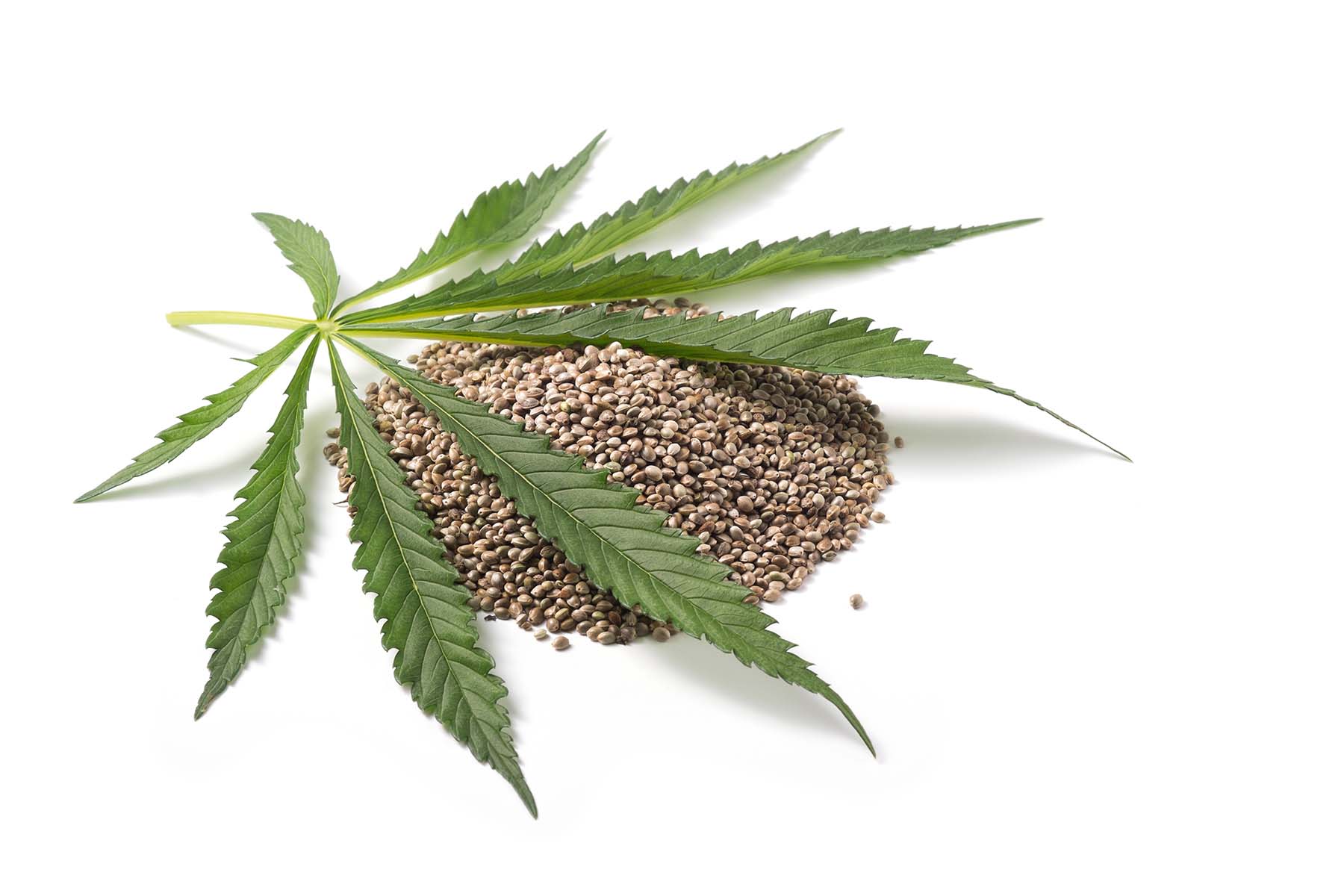
Hemp is definitely a nitrogen-fixing herb, which means it might contribute to soil fertility by enhancing nitrogen levels found in the soil. Any time incorporated in a crop rotation system, hemp can naturally replenish soil nutrients, lessening the need for chemical fertilizers. This particular not only cracks costs for farmers but also mitigates the environmental impacts related with synthetic fertilizer use, for example water pollution and dirt degradation.
Reducing Chemical substance Fertilizer Dependency
Typically the excessive use involving chemical fertilizers features detrimental effects upon the environment, like soil degradation, water pollution, plus the loss of biodiversity. Hemp cultivation offers many avenues for cutting down reliance on these kinds of synthetic inputs:
just one. Natural Fertilizer Options
Hemp plants are recognized for their ability to thrive in less-than-ideal soil conditions, requiring fewer chemical fertilizers when compared with traditional vegetation. The organic subject generated from hemp crops can be composted and utilized as an organic fertilizer, enriching typically the soil without the gloomy effects associated with chemicals.
a couple of. Carbon Sequestration
Hemp is recognized for its ability to sequester co2 coming from the atmosphere, making it an important gamer in the fight against climate change. The cultivation of hemp can result inside a net reduction of greenhouse smells, which can be beneficial for sustainable agriculture. Simply by absorbing CO2 in the course of photosynthesis and saving it in biomass and soil, hemp contributes to some sort of healthier environment.
a few. Reduction of Earth Erosion
Hemp’s powerful root system not just improves soil shape but also decreases soil erosion, particularly on sloped lands. Erosion often leads to the losing of topsoil, which is full of nutrients. By stopping erosion, hemp farming helps maintain soil fertility, reducing the need for additional fertilization.
Financial Benefits of Hemp in Sustainable Cultivation
Along with its ecological benefits, hemp cultivation can also provide economic features for farmers:
one particular. Diversified Income Sources
Hemp offers different market opportunities, by food products to textiles and developing materials. Farmers can diversify their revenue streams by creating hemp alongside classic crops, reducing economical risks associated using market fluctuations.
a couple of. Lower Input Costs
By reducing typically the need for chemical substance fertilizers and insect sprays, hemp can decrease the overall type costs for maqui berry farmers. This could result inside higher profit margins in addition to more sustainable gardening practices that benefit both the environment and the economy.
three or more. Job Creation in addition to Rural Development
The growth of the hemp industry can cause task creation in rural areas, from gardening to processing and even manufacturing. As demand for hemp items increases, so does the need for skilled labor, contributing in order to the overall monetary development of these communities.
Challenges and Things to consider
Despite typically the numerous benefits of hemp cultivation, several issues must be tackled to maximize its potential in environmentally friendly agriculture:
1. Corporate Obstacles
The lawful status of hemp varies widely throughout different regions, influencing its cultivation in addition to commercialization. Clear in addition to supportive regulations are crucial for stimulating farmers to take on hemp as a sustainable crop.
2. Market Development
While typically the with regard to hemp goods is growing, the industry is still developing. Farmers need usage of information about industry trends, processing features, and distribution stations to totally capitalize about hemp’s economic possible.
3. Education and even Coaching
Farmers may require training in best practices for hemp cultivation as well as role in sustainable agriculture. Education programs can help growers be familiar with ecological rewards of hemp and how to incorporate it into their very own farming systems efficiently.
Conclusion
The function of hemp seed in sustainable agriculture cannot be overstated. As farmers deal with increasing pressures to adopt environmentally friendly techniques, hemp offers a new multifaceted solution that benefits soil health and fitness, enhances crop revolving strategies, and decreases the reliance upon chemical fertilizers. Simply by promoting biodiversity, increasing soil fertility, and sequestering carbon, hemp cultivation leads to some sort of more sustainable and resilient agricultural panorama.
As the recognition of hemp’s possible grows, it is essential with regard to farmers, policymakers, in addition to consumers to advocate for and help its integration in to sustainable agricultural practices. By embracing hemp as a key element player in the particular future of harvesting, we can work at a more environmentally friendly and eco-friendly agricultural system that rewards both planet plus its inhabitants.