
Cannabis family genes is a fascinating field that delves to the intricacies involving hybridization and innate variability, which enjoy pivotal roles in the advancement several cannabis strains. Knowing these scientific principles not only enhances cultivation practices but in addition aids consumers within selecting strains focused on their needs. This particular article explores the particular science behind hashish genetics, focusing upon hybridization and genetic variability, and offers insights into their implications for growers and consumers.
Cannabis Family genes: An Overview
Marijuana, a genus associated with flowering plants, features three primary species: Cannabis sativa, Marijuana indica, and Marijuana ruderalis. More Bonuses exhibit distinct characteristics in terms regarding growth patterns, cannabinoid profiles, and outcomes on the body of a human. The genetic cosmetic of cannabis plant life determines their actual and chemical traits, which can become manipulated through hybridization to create innovative and unique pressures.
The Basics involving Cannabis Genetics
Genetics refers to the study associated with genes and genetics, explaining how qualities are passed from one generation to the next. Within cannabis plants, genes are responsible for determining attributes like cannabinoid content, terpene profiles, flower structure, and its heyday time. The hashish genome is sophisticated, including numerous genes that interact inside various ways to create the variety regarding strains available today.
GENETICS and Genes
GENETICS (deoxyribonucleic acid) is definitely the molecule that carries genetic details in living organisms. It consists of two strands developing a double helix, with each follicle composed of nucleotides. Family genes are specific sequences of nucleotides inside the DNA that will encode instructions intended for the development in addition to functioning of a great organism.
Chromosomes
Hashish plants have something like 20 pairs of chromosomes, which are structures within just cells that have DNA. Each parent contributes one chromosome for every pair, meaning children inherit a mix of anatomical material from each parents. This combination of chromosomes is vital with regard to genetic variability in addition to the creation involving hybrid strains.
Hybridization in Cannabis
Hybridization is the process of crossing 2 genetically distinct cannabis plants to produce offspring with a mix of characteristics from both parents. This technique is widely used to develop new cannabis strains with specific desired characteristics, highly regarded as higher cannabinoid content, unique terpene profiles, or improved resistance to pests and diseases.
The Process of Hybridization
Selection of Parent or guardian Plants: Breeders pick parent plants dependent on their attractive traits. By way of example, a new plant with high THC content may be surpassed with the one which provides an unique flavor profile.
Pollination: The selected parent plants will be cross-pollinated. This can easily be done the natural way by allowing male plants to release pollen or manually simply by collecting and applying pollen to women plants.
Seed Selection: After pollination, women plants produce seed that take the genetic material of both parents. These seeds are harvested plus germinated to cultivate the particular next generation of plants.
Phenotype Variety: Offspring plants are usually evaluated for their particular traits (phenotypes). Dog breeders select the best-performing plants for even more breeding or business production.
Types regarding Hybrids
Indica-Dominant Hybrids: These strains usually exhibit characteristics associated with Cannabis indica, such as shorter size and broader departs, combined with characteristics from your sativa parent or guardian, leading to balanced results.
Sativa-Dominant Hybrids: These kinds of strains often have got the tall, thin structure of Cannabis sativa and could produce uplifting effects, using added traits from the indica parent.
Balanced Hybrids: These types of strains aim to be able to supply a mix involving indica and sativa effects, offering a new balanced experience regarding consumers.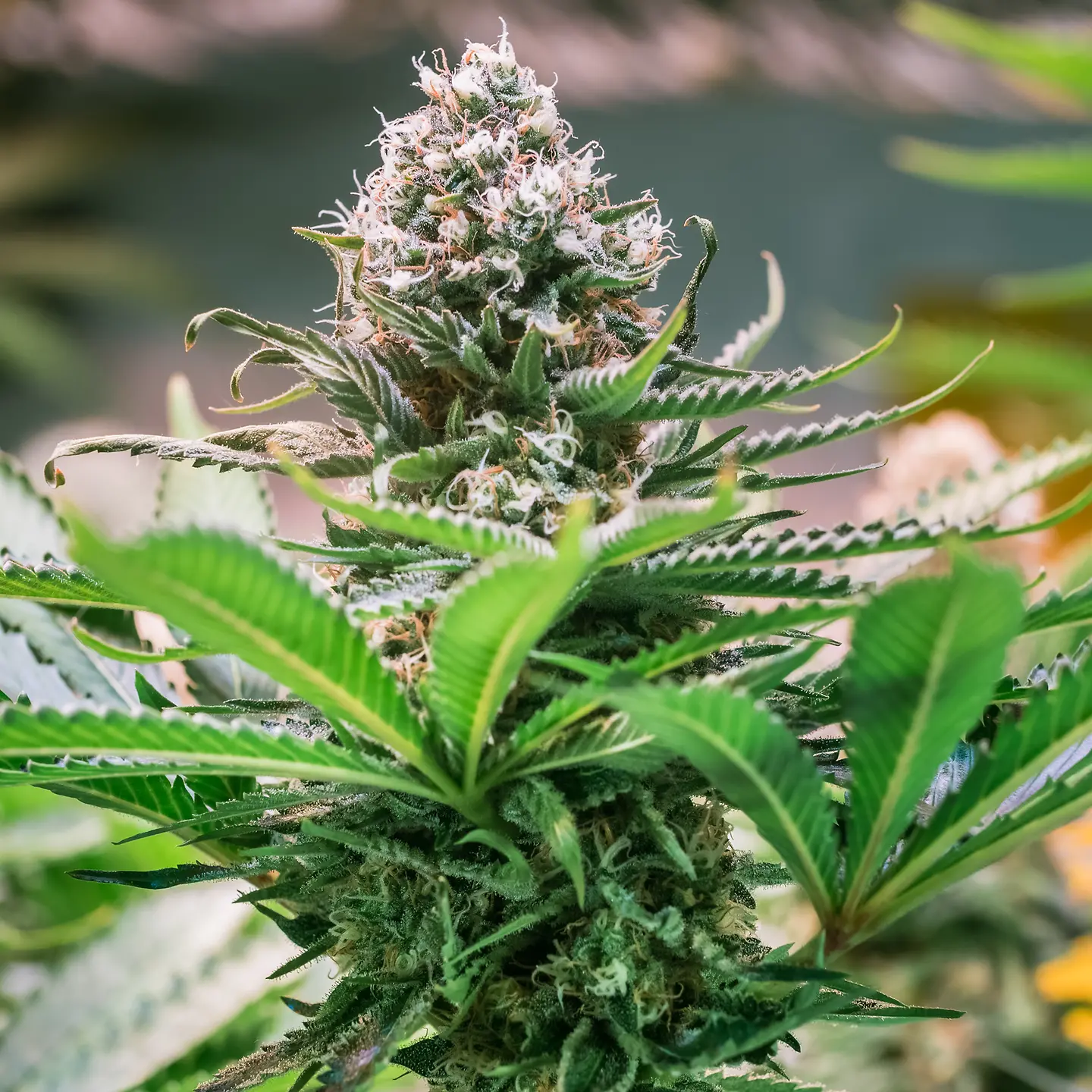
Genetic Variability in Cannabis
Hereditary variability refers to be able to the diversity involving genetic material within a population. Within cannabis, this variability is crucial with regard to the development of brand new strains and the version of plants to be able to different environments. Many factors contribute to be able to genetic variability inside cannabis plants.
Resources of Genetic Variability
Mutations: Random adjustments in DNA sequences can introduce new traits. While a few mutations may always be harmful, others can easily lead to helpful characteristics.
Crossbreeding: Hybridization between different cannabis strains introduces new combinations of genetics, increasing genetic variety.
Environmental Factors: Circumstances such as light, temp, and soil composition can influence gene expression, leading to be able to phenotypic variation also among genetically the same plants.
Need for Innate Variability
Resilience: Better genetic diversity improves the ability associated with cannabis populations to face up to diseases, pests, in addition to environmental stressors.
Version: Diverse genetic material allows cannabis plant life to adapt to be able to different growing circumstances, from indoor hydroponic systems to outside fields.
Innovation: Breeders can tap directly into the genetic pool to create story strains with special properties, catering towards the evolving preferences of consumers and medical sufferers.
Implications for Stating and Consumers
Knowing cannabis genetics, hybridization, and genetic variability has practical implications for both growers and consumers.
With regard to Growers
Strain Assortment: Knowledge of genetic makeup enables growers to choose strains that will are best matched for their specific rising conditions and ideal outcomes.
Breeding Programs: Growers can build their own mating programs to create unique strains along with tailored traits, enhancing their product products.
Pest and Illness Management: Genetic range helps in cultivating long lasting plants that can better resist unwanted pests and diseases, cutting down reliance on chemical treatments.
For Customers
Informed Choices: Knowing the genetic background of cannabis traces allows consumers to create informed choices depending on their preferences intended for effects, flavors, in addition to aromas.
Medical Applications: Patients seeking certain therapeutic effects can select strains with known genetic information that match their particular medical needs.
High quality and Consistency: Expertise of genetics may help in ensuring the high quality and consistency of cannabis products, offering consumers with trusted experiences.
Conclusion
The science behind cannabis genetics, encompassing hybridization and genetic variability, is actually a dynamic field of which continues to advance. By harnessing the particular power of genes, breeders and declaring no to prop can develop brand new strains with improved traits, catering to be able to the diverse requires of consumers. Comprehending these genetic guidelines not only boosts cultivation practices yet also empowers consumers to make educated decisions, ultimately leading to the growth and innovation of typically the cannabis industry.
Simply by focusing on the science of cannabis genes, this article purposes to provide handy insights to the complexity of hybridization and even genetic variability. No matter if you’re a grower looking to improve your cultivation apply or a client seeking the perfect strain, a much deeper understanding of cannabis genetics can enhance your experience and understanding of this outstanding plant