
Cross-Site Obtain Forgery (CSRF) is usually a malicious take advantage of of a website where unauthorized orders are transmitted from a user that typically the website trusts. CSRF attacks specifically targeted state-changing requests, not necessarily theft of info, because the attacker has no approach to start to see the reaction to the cast request. To overcome this threat, web developers employ various methods, one of the particular most effective becoming CSRF tokens. This article explores how CSRF tokens work and why they will be crucial for internet security.
Understanding CSRF
What exactly is CSRF?
CSRF, often known as session operating or one-click harm, occurs when the malicious actor methods a user into performing actions on a web application in which they are verified. For example, if a new user is logged into their financial site, a harmful actor could trick them into shifting funds to typically the attacker’s account simply by visiting a destructive website.
How CSRF Attacks Job
Victim Authentication: The sufferer logs into a dependable website and establishes a session.
Malicious Request: The attacker crafts a request that performs a malicious action within the trusted website.
Victim Tricked: The opponent tricks the sufferer into making typically the crafted request by embedding it throughout a page these people control (such as through an photo tag, form, or perhaps script).
Action Accomplished: The request will be executed with the particular victim’s credentials because the session is usually still active.
For example, if a bank allows money exchanges using a URL like http://bank.com/transfer?amount=1000&to=attacker_account, an opponent can embed this kind of URL in a new page. Once the prey visits this page, their browser sends the request towards the bank, transferring money to be able to the attacker.
Precisely how CSRF Tokens Operate
Generating CSRF Bridal party
CSRF tokens will be unique, secret, and unpredictable values that are generated by the server and integrated in every state-changing request. Here’s precisely how they work:
Symbol Generation: When the user session will be created, the storage space generates a unique CSRF token and retailers it in the user’s session data.
browse around this site : The hardware embeds this expression in forms in addition to URL parameters that will perform state-changing actions.
Token Validation: Any time a state-changing request is received, the particular server checks the CSRF token against the token stored within the session. In the event that they match, the request is highly processed. If not, the particular request is turned down.
Example of CSRF Token Implementation
Contact form with Token:
html code
Copy code
Server-side Symbol Validation:
python
Replicate signal
def transfer_funds(request):
session_token = demand. session[‘csrf_token’]
request_token = request. WRITE-UP[‘csrf_token’]
if session_token! = request_token:
go back “CSRF token mismatch, request denied. “
# Process the transfer if bridal party complement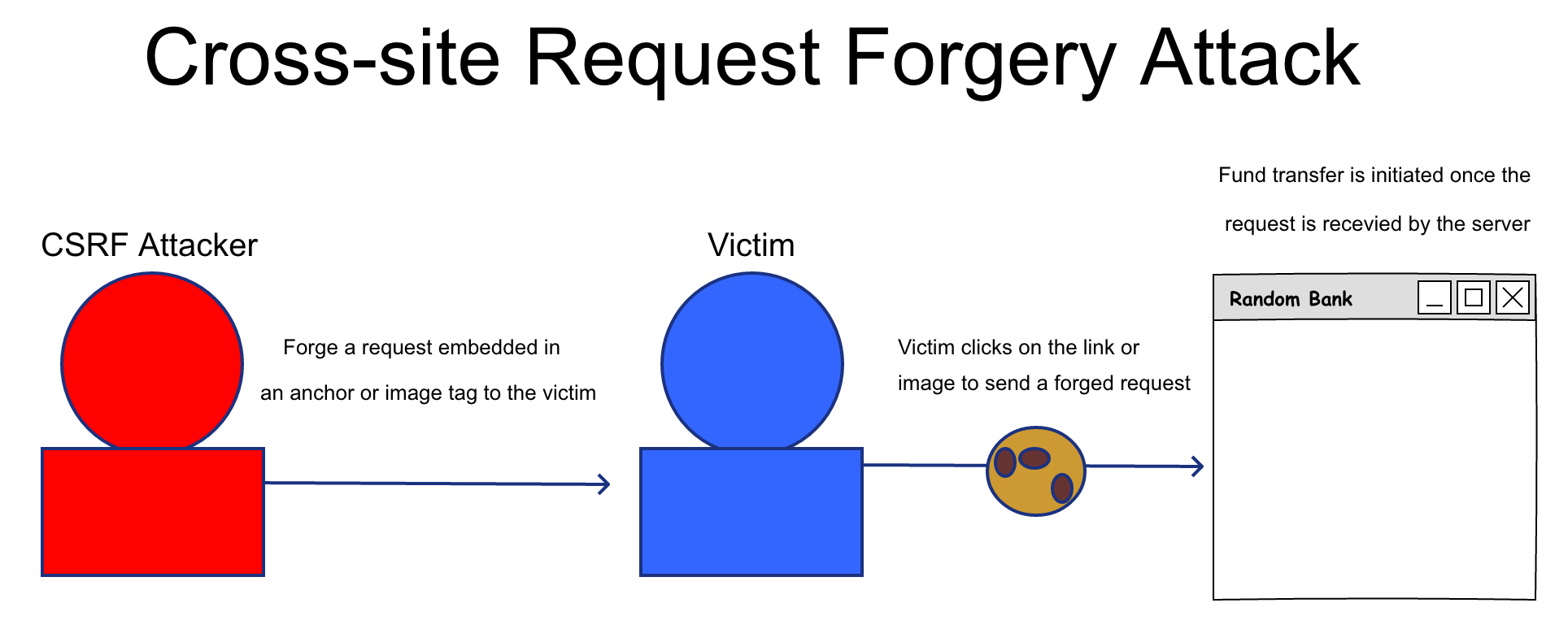
process_transfer(request. WRITE-UP[‘amount’], request. ARTICLE[‘to_account’])
go back “Transfer successful. “
Why CSRF Tokens Work well
CSRF bridal party work well because these people add yet another part of verification that is difficult for attackers to bypass. Since the opponent cannot access the session data of the user, they cannot correctly guess the token value, making it practically impossible to do a successful CSRF strike.
Importance of CSRF Tokens
Protecting End user Files
The primary importance of CSRF tokens lies in their ability to protect user info and prevent unauthorized actions. Without CSRF tokens, attackers could exploit the trust a web application places in a new user’s browser, leading to potentially severe consequences such as unauthorized fund transfers, within account configurations, or other destructive actions.
Enhancing Internet Security
CSRF tokens significantly enhance internet security by making sure that state-changing requests originate from authenticated users. They give a robust mechanism intended for validating requests in addition to preventing malicious behavior, thereby safeguarding both user data and even application integrity.
Regulating Compliance
For businesses, especially those handling hypersensitive data such as economic information or private health records, employing CSRF protection is usually often a regulatory requirement. Ensuring compliance with standards this kind of as the Basic Data Protection Regulation (GDPR) or the particular Health Insurance Portability in addition to Accountability Act (HIPAA) is crucial for steering clear of legal repercussions plus maintaining user believe in.
Maintaining User Trust
Trust is a cornerstone of virtually any online interaction. Customers expect that their actions on a website will be secure and their files is protected. By implementing CSRF bridal party, developers can assure users that their very own interactions are safe coming from unauthorized manipulation, therefore maintaining and boosting user trust.
Best Practices for Employing CSRF Tokens
Always Use Tokens for State-changing Requests
Ensure of which CSRF tokens are contained in all types and requests of which modify data or perhaps perform actions. This specific includes POST, SET, DELETE requests, plus any GET asks for that change the state.
Secure Token Safe-keeping and Indication
Shop CSRF tokens securely on the server-side and ensure they will are transmitted over secure channels (HTTPS). This prevents assailants from intercepting bridal party through man-in-the-middle problems.
Regenerate Tokens Occasionally
Periodically regenerate CSRF tokens to lessen typically the risk of token reuse attacks. This specific can be completed upon user re-authentication or after some sort of certain period.
Dual Submit Snacks
An additional method is the double submit dessert approach, where the CSRF token is definitely sent both since a cookie in addition to as a ask for parameter. The storage space validates that equally tokens match prior to processing the request.
Use Secure Randomness for Token Generation
Generate CSRF bridal party using a safeguarded source of randomness to be able to ensure they can be unforeseen and immune to guessing attacks.
Bottom line
CSRF tokens are a vital component of internet security, protecting consumers and applications by unauthorized state-changing actions. By understanding how CSRF attacks work and implementing CSRF tokens correctly, developers can significantly enhance the security involving their applications, protect user data, adhere to regulatory standards, and look after user trust. Because cyber threats always evolve, robust protection practices like the utilization of CSRF bridal party remain essential inside safeguarding the sincerity of web interactions.