
In the software development lifecycle, ensuring that a product meets user demands and functions since intended is vital. This assurance is primarily achieved by means of various testing methodologies, one of which in turn is acceptance tests. Acceptance testing is a crucial period where the final product is validated in opposition to the business specifications and user wants. With the associated with artificial intelligence (AI), the landscape involving acceptance testing is usually evolving rapidly, the process more successful and reliable. over at this website explores just what acceptance testing involves and how AI can revolutionize composing and automating these types of tests.
What is Acceptance Testing?
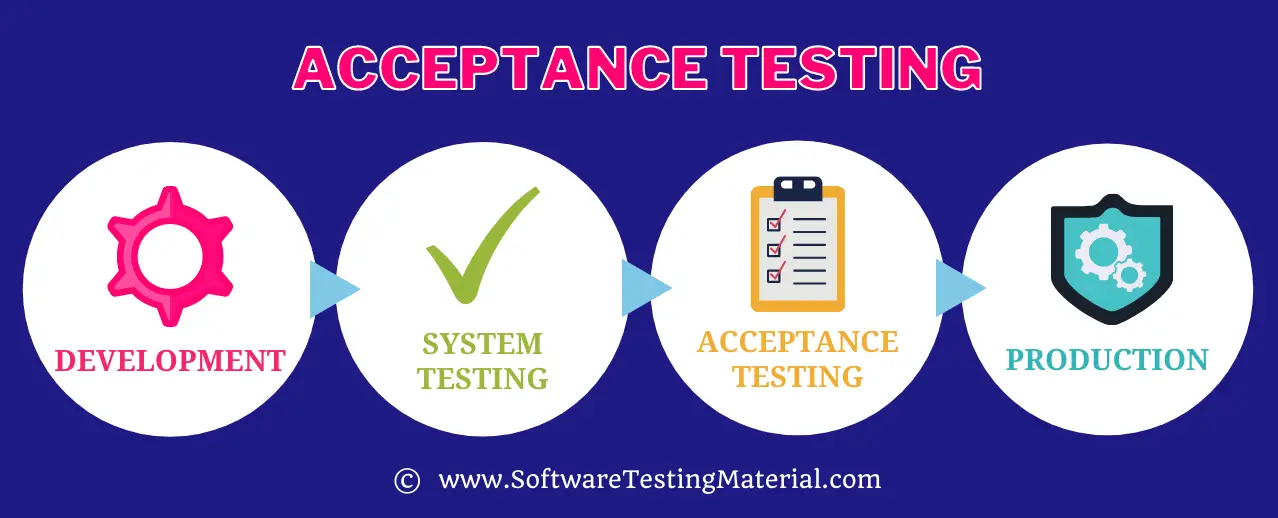
Popularity testing, also recognized as user acceptance testing (UAT) or end-user testing, will be the final phase in the testing process just before a software app goes live. This is conducted to be able to ensure that the particular software meets the particular specified requirements and is ready for application. Acceptance testing can easily be separated straight into several categories:
Consumer Acceptance Testing (UAT): Conducted by the end consumers or clients to be able to validate that the application meets the requirements in addition to requirements.
Operational Approval Testing (OAT): Performed by system managers to check the software’s operational preparedness, including backup/recovery, maintenance tasks, and performance testing.
Contract Acknowledgement Testing: Ensures that will the software complies with the terms of the contract.
Regulation Acceptance Assessment: Validates that typically the software adheres to be able to governmental and legitimate regulations.
The main target of acceptance tests is to identify any issues of which has been missed during the earlier phases of testing plus to provide self confidence that the computer software is ready for employ.
The Importance involving Acceptance Testing
Acknowledgement testing is vital for several causes:
Validates Requirements: It confirms that the software meets the agreed-upon requirements plus specifications.
Reduces Dangers: By identifying problems and issues prior to the software should go live, acceptance testing minimizes the chance of malfunction in an in real time environment.
Enhances Consumer Satisfaction: Ensures of which the final product fulfills user expectations, leading to higher pleasure and acceptance.
Encourages Decision Making: Offers stakeholders with typically the information needed to be able to make informed decisions about the software’s readiness for deployment.
The Challenges involving Traditional Acceptance Testing
Despite its value, traditional acceptance testing faces several difficulties:
Time-Consuming: Manual tests can be labor-intensive and time-consuming, especially for complex programs.
Prone to Human being Error: Manual assessments are susceptible to human errors, top to inaccurate outcomes.
Resource Intensive: Requires significant human resources, like testers and subject matter experts.
Challenging to Maintain: Keeping check cases up to date with modifying requirements and software program updates could be challenging.
How AI Can Revolutionize Acceptance Testing
Artificial intelligence (AI) has the probability of address many regarding the challenges associated with traditional approval testing. Here’s exactly how AI can be utilized in writing plus automating acceptance assessments:
1. Automated Test out Case Technology
AJE can analyze demands and user reports to automatically create test cases. Herbal language processing (NLP) techniques enable AJAI to understand textual requirements and change them into exe test scenarios. This kind of reduces the moment and effort required to write test cases manually and ensures that all requirements are usually covered.
2. Intelligent Test Execution
AI-powered testing tools may intelligently execute test out cases, identifying one of the most critical paths plus prioritizing them according to risk and influence. Machine learning codes can analyze traditional test data to be able to predict which parts of the software happen to be most likely to contain defects, enabling more focused and even efficient testing.
three or more. Self-Healing Test Intrigue
One of the primary challenges inside automated testing is maintaining test pièce. Changes in the application’s consumer interface could cause analyze scripts in order to. AJE can help simply by creating self-healing test scripts that immediately adapt to alterations in the program. This ensures that automated tests remain functional even when the software is usually updated.
4. Defect Prediction and Analysis
AI can examine historical test benefits and code becomes predict where disorders are likely to occur in the forthcoming. This allows testers to target their attempts on high-risk locations. Additionally, AI may perform cause research of defects, discovering patterns and offering insights in the actual issues.
5. Normal Language Processing (NLP) for Test Motorisation
NLP enables AI to understand plus interpret human dialect, making it achievable to create test cases based on natural language demands. This allows for even more intuitive test generation and reduces the gap between enterprise requirements and specialized implementation.
6. Increased Test Insurance coverage
AI can ensure complete test coverage by generating a wide range of test out scenarios, including border cases and part cases that may possibly be overlooked simply by human testers. This particular leads to even more robust and trusted software.
7. Ongoing Testing and Integration
AI-powered tools can integrate with constant integration/continuous deployment (CI/CD) pipelines, enabling constant testing throughout the growth lifecycle. This guarantees that any issues are identified plus addressed promptly, lowering the time in order to market and increasing software quality.
Implementing AI in Approval Testing: Best Practices
To effectively implement AJAI in acceptance tests, organizations should think about typically the following best methods:
Start Small: Begin using a pilot project to test the potency of AI in the testing processes. Slowly scale up structured on the effects and learnings from your pilot.
Leverage Present Tools: Use AI-powered testing tools that integrate with your own existing testing structure and CI/CD pipe.
Give attention to High-Value Locations: Identify areas exactly where AI can provide typically the most value, like test case era, test execution, and even defect prediction.
Spend money on Training: Ensure that your testing crew is competed in AJE and machine understanding concepts to properly use AI-powered screening tools.
Monitor and Adjust: Continuously monitor the performance involving AI within your testing processes create changes as had to enhance accuracy and productivity.
Conclusion
Acceptance tests is an essential phase in the software development lifecycle, ensuring that the ultimate product meets customer requirements and is also willing for deployment. Traditional acceptance testing methods can be time consuming, resource-intensive, and likely to human error. However, the integration of artificial intelligence in to acceptance testing processes offers a promising solution to these challenges.
AI could automate test case generation, intelligent test execution, self-healing test out scripts, defect prediction and analysis, plus enhance test coverage. By leveraging AJE, organizations can achieve more efficient, correct, and comprehensive acceptance testing, ultimately leading to higher-quality software and greater user fulfillment.
As AI technology continues to evolve, its role inside acceptance testing will certainly become increasingly important, transforming the way computer software is tested in addition to ensuring that this meets the greatest standards of top quality and reliability.