
Debugging is definitely an integral part of software development, in particular when working with sophisticated codebases. Python Debug Hub is an innovative tool developed to streamline the particular debugging process by providing comprehensive insights into the Python applications. Including it with well-liked Integrated Development Surroundings (IDEs) like PyCharm, Visual Studio Code (VS Code), or perhaps Jupyter Notebook enhances productivity, allowing programmers to identify plus resolve issues rapidly. This guide will go walking you with the integration process for every single regarding these IDEs, together with tips and ideal practices to maximize your current debugging efficiency.
Just what is Python Debug Hub?
Python Debug Hub is some sort of sophisticated debugging device which offers a variety of features to support developers in discovering issues within their code. It offers:
Real-time variable examination: Inspect and alter variable values during runtime.
Advanced breakpoints: Set conditional breakpoints to halt execution under specific situations.
Performance monitoring: Keep track of memory usage plus execution time, discovering bottlenecks in your own code.
Error handling: Get detailed observations into exceptions plus stack traces.
By integrating Python Debug Hub with your current IDE, you can leveraging these features immediately within your enhancement environment, making debugging more intuitive and fewer time-consuming.
Why Combine Python Debug Center with IDEs?
Adding Python Debug Center with your IDE can offer numerous rewards, including:
Increased production: Spend less period switching between tools and more time writing code.
Far better error resolution: Gain deeper insights with your code’s behavior, bringing about quicker bug maintenance tasks.
Enhanced collaboration: Talk about debugging configurations along with team members extra effectively.
Improved consumer experience: Use the common interface of your respective GAGASAN while enjoying innovative debugging features.
Nowadays, let’s look into typically the specifics of integrating Python Debug Hub with three well-liked IDEs: PyCharm, VS Code, and Jupyter Notebook.
Integrating Python Debug Hub together with PyCharm
PyCharm is usually one of typically the most popular IDEs for Python development, offering a powerful pair of features intended for coding, testing, and even debugging. Here’s just how to integrate Python Debug Hub into PyCharm:
Step 1: Mount Python Debug Centre
Open PyCharm and navigate for your project.
Open the Port within PyCharm (View > Instrument Windows > Terminal).
Install Python Debug Hub making use of pip:
party
Backup code
pip set up python-debug-hub
Step 2: Set up PyCharm to Use Python Debug Center
In PyCharm, navigate to be able to Run > Edit Configurations.
Click the + icon to incorporate a new configuration and select Python.
Throughout the configuration configurations, specify the software you want in order to debug.
Under Guidelines, add the right after command to allow Python Debug Hub:
gathering
Copy signal
–debug-hub
Ensure that your own working directory plus environment variables are set correctly.
Click Apply and then OK to save typically the configuration.
Step three: Set Breakpoints and begin Debugging
Open the Python file you need to debug.
Click inside the gutter next to the queue numbers to set breakpoints where you want the performance to pause.
Start off debugging by picking your newly created configuration from typically the dropdown menu and even clicking the Debug button (the alternative bug icon).
Action 4: Utilize Debugging Features
Once the debugger hits a breakpoint, you might use the Debug tool window to be able to:
Inspect variables: Are positioned over variables to see their current principles.
Modify variables: Modification values on-the-fly and even continue execution.
Action through code: Use the Step Over, Take on, and Step Away buttons to find their way your code execution flow.
By right away these steps, you could efficiently integrate Python Debug Hub into PyCharm, allowing intended for an even more seamless debugging experience.
Integrating Python Debug Hub together with Visual Studio Signal (VS Code)
Aesthetic Studio Code will be another widespread IDE that offers solid support for Python development. Here’s the way to integrate Python Debug Hub with COMPARED TO Code:
Step 1: Install Python Debug Center
Open the project in VS Code.
Open the Terminal (View > Terminal) in addition to run:
bash
Copy code
pip set up python-debug-hub
2: Set up VS Code for Python Debug Hub
Open the Run and Debug side panel (Ctrl + Shift + D).
Click on create a launch. json document or select Include Configuration.
Choose Python File from the particular set of templates.
Modify the generated kick off. json file in order to include the –debug-hub argument:
json
Backup code
“version”: “0.2.0”,
“configurations”: [
“name”: “Python: Current File”,
“type”: “python”,
“request”: “launch”,
“program”: “$file”,
“console”: “integratedTerminal”,
“args”: [“–debug-hub”]
]
Action 3: Set Breakpoints and Start Debugging
Open the Python file you desire to debug.
Click on in the gutter beside the range numbers to create breakpoints.
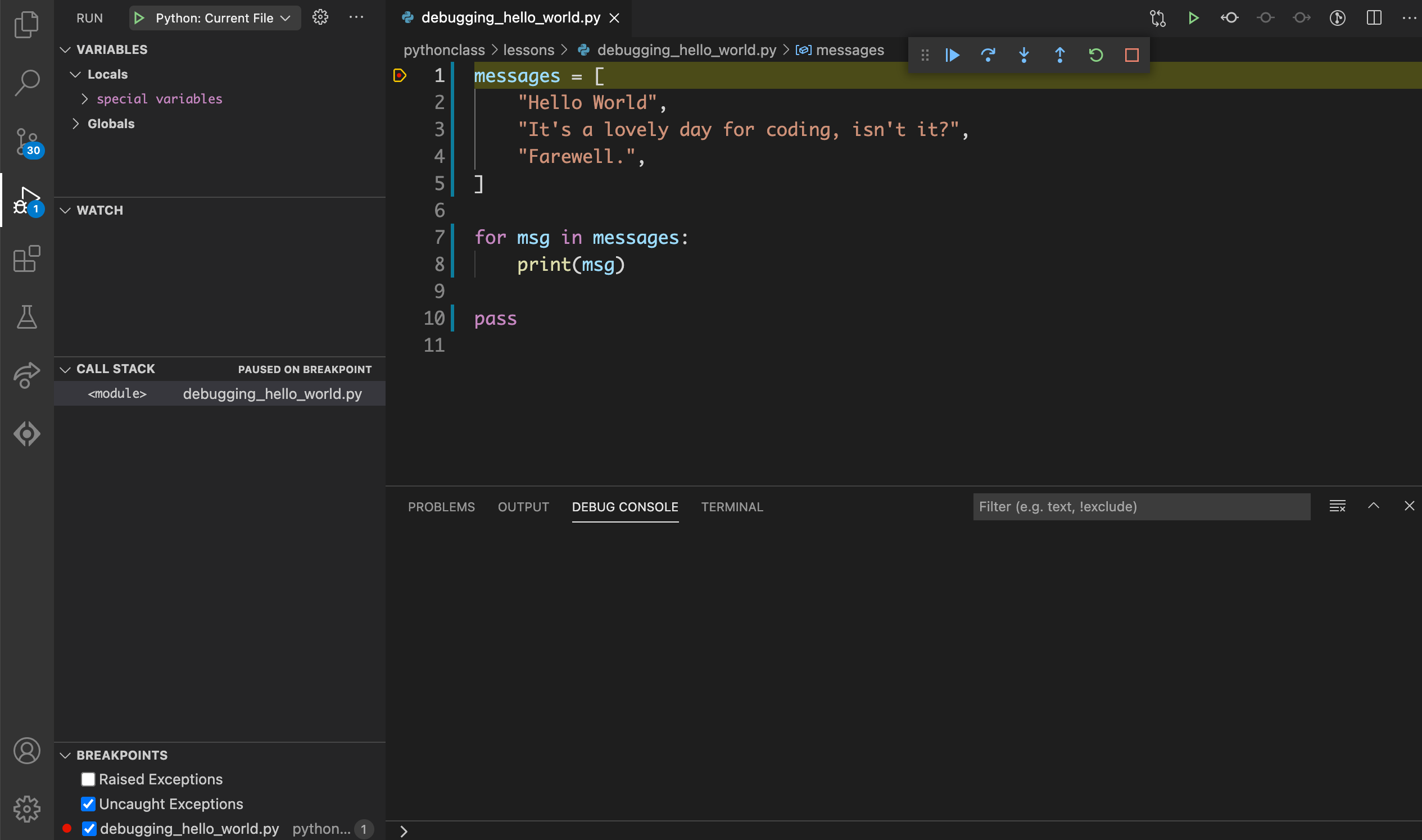
Start debugging by selecting your configuration from the dropdown inside the Run plus Debug panel and clicking the green play button.
Phase 4: Utilize Debugging Features
When performance stops at some sort of breakpoint, you may:
Inspect variables: Float over variables in order to view their beliefs.
Use the Debug Console: Execute words and phrases and commands throughout the context involving your paused program.
Control execution: Utilize available buttons in order to step through your code, continue setup, or restart debugging sessions.
With these steps, Python Debug Hub could be efficiently integrated into VERSUS Code, enhancing your debugging capabilities.
Integrating Python Debug Hub with Jupyter Laptop
Jupyter Notebook is a popular tool for information analysis and scientific computing. Integrating Python Debug Hub along with Jupyter can drastically improve your debugging workflow in notebook-style development. Here’s how to take action:
Phase 1: Install Python Debug Hub
Wide open a terminal in addition to navigate to your own Jupyter environment.
Install Python Debug Centre:
party
Copy program code
pip install python-debug-hub
2: Launch Jupyter Laptop
Start the Jupyter Notebook storage space:
bash
Copy signal
jupyter notebook
Action 3: Enable Debugging in Jupyter Notebook
In a Jupyter Notebook cell, transfer the necessary component and configure it to work with Python Debug Hub:
python
Duplicate program code
import debug_hub
debug_hub. start()
Action 4: Set Breakpoints
Identify the pv cells in which you want in order to set breakpoints.
Make use of the debug_hub. set_breakpoint() function to stipulate breakpoints within your current code. For illustration:
python
Copy computer code
debug_hub. set_breakpoint(cell_number=2) # Replace along with your specific cell number
Step five: Run Your Tissue
Execute the tissues inside your notebook. If execution reaches some sort of breakpoint, it will certainly pause, enabling you to examine variables and state.
Step 6: Examine and Control Delivery
You can interactively inspect variables making use of Jupyter’s built-in resources and execute further commands in typically the cell under the breakpoint to continue debugging.
By integrating Python Debug Hub along with Jupyter Notebook, you can enhance your files science workflows, making it easier in order to debug complex analyses.
Best Practices for Using Python Debug Hub with IDEs
Become acquainted with IDE Features: Each IDE provides unique features for debugging. Explore these types of features to obtain the most out there of the debugging knowledge.
Use click for more info : When dealing using large loops or perhaps functions, consider utilizing conditional breakpoints to stop halting at every version.
Regularly Update Dependencies: Keep Python Debug Hub and your IDE updated to benefit through the current features and fixes.
Practice Code Refactoring: Refactor your program code to simplify complex logic, making it easier in order to debug.
Utilize Documents: Refer to the required Python Debug Center documentation for thorough usage and innovative features.
Conclusion
Including Python Debug Hub with popular IDEs like PyCharm, COMPARED TO Code, and Jupyter Notebook significantly improves the debugging process intended for Python developers. By following the outlined methods for each IDE, you can earn full edge of Python Debug Hub’s features, leading to increased efficiency and more successful debugging. As a person become more knowledgeable about these tools, you’ll find that your potential to quickly determine and resolve concerns in your code improves, allowing an individual to focus a lot more on building wonderful applications.