
Code testimonials are a essential component of software development, specially in complex domains like artificial intelligence (AI). Given typically the intricacies of AJE systems, which often involve sophisticated algorithms and large datasets, conducting thorough and even effective code evaluations can significantly influence the quality and reliability of the final product. Below are some ideal practices for making sure that code opinions in AI projects are productive in addition to lead to high-quality outcomes.
1. Determine Clear Objectives intended for Code Reviews
Prior to initiating a code review, it is usually essential to establish clear objectives. Throughout AI projects, typically the goals might include:
Ensuring Algorithm Accuracy: Verifying that the implementation aligns with the theoretical unit.
Data Integrity: Examining that data digesting and handling are correctly implemented.
Efficiency Efficiency: Evaluating whether or not the code meets performance and scalability needs.
Maintainability: Ensuring the code is legible and maintainable with regard to future updates.
Understanding these objectives helps reviewers focus on what’s important and helps to ensure that the evaluation process aligns along with the project’s objectives.
2. Select the right Gurus
Selecting the correct reviewers is important for an effective code review. Within AI projects, gurus should have:
Website Expertise: Knowledge in the specific AJE algorithms or strategies being used.
Programming Skills: Proficiency inside the programming languages in addition to tools used within the project.
Expertise with Similar Jobs: Familiarity with similar AI projects or even codebases.
Having some sort of mixture of domain professionals, experienced developers, and even, if at all possible, people that are not mixed up in day-to-day development can provide a comprehensive evaluation perspective.
3. Create a Structured Evaluation Process
An organized overview process helps keep consistency and performance. Consider the following steps:
Pre-Review Planning: Ensure that the code is extensively researched, and any connected issues or pests are listed.
Assessment Checklist: Develop the checklist which includes typical review areas this sort of as code features, readability, error coping with, and adherence to best practices.
Feedback Mechanism: Provide a obvious way for reviewers to leave feedback and even ask questions. Employ code review equipment that support inline comments and talks.
4. Focus on Essential Areas
Throughout the review, prioritize certain features of the program code:
Algorithm Implementation: Verify that the methods are implemented effectively according to typically the specifications. This involves checking mathematical computations, logic flows, in addition to algorithmic efficiency.
Information Handling: Review precisely how data is preprocessed, cleaned, and employed in the type. Ensure that data handling is powerful and avoids issues such as data leakage or bias.
Functionality and Optimization: Assess if the code is optimized for overall performance, especially if working along with large datasets or even requiring real-time control.
Testing: Make sure that typically the code includes enough unit tests plus integration tests. Throughout AI projects, consider testing for different data scenarios plus edge cases.
your five. Encourage a Collaborative and Constructive Culture
A positive and collaborative review culture encourages better outcomes. Encourage:
Constructive Feedback: Emphasis on providing actionable and constructive suggestions rather than only pointing out problems.
Available Communication: Foster a great environment where programmers feel comfortable discussing and debating recommendations.
Learning Opportunities: Make use of code reviews as being a chance for team members to master through each other and improve their skills.
6. Utilize Signal Review Tools and even Motorisation
Leverage equipment and automation to streamline the code review process:
Program code Review Platforms: Tools like GitHub, GitLab, and Bitbucket provide integrated code evaluation features that help comments, discussions, plus version tracking.
Automatic Code Quality Investigations: Implement automated equipment for checking computer code quality, style, in addition to potential issues. visite site can catch basic errors plus enforce coding criteria before the evaluation.
7. Incorporate Overall performance Metrics
In AJE projects, performance metrics are crucial. Consist of metrics such because:
Model Accuracy: Check if the unit performance metrics, such as accuracy, precision, call to mind, or F1 report, meet the expected standards.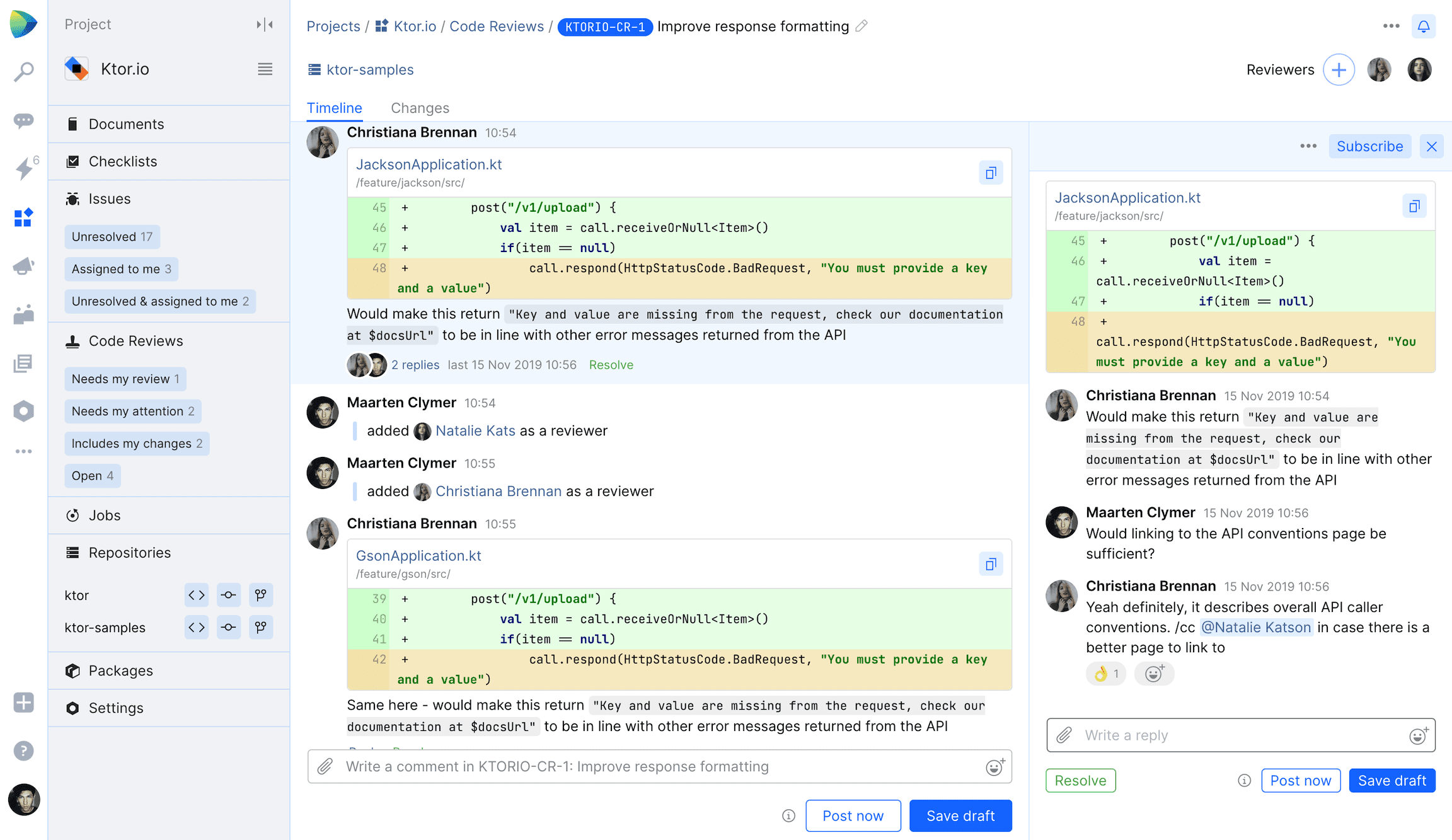
Computational Performance: Assess how nicely the code works when it comes to computational assets and runtime.
Scalability: Ensure that the computer code will manage increasing portions of data or even computation without significant degradation in functionality.
8. Review Program code Incrementally
Avoid mind-boggling reviewers with big code changes. Alternatively:
Break Down Opinions: Divide the computer code into smaller, controllable chunks. This can allow it to be easier intended for reviewers to focus on specific places and provide more detailed feedback.
Recurrent Reviews: Conduct reviews regularly through the development process instead of waiting around until the finish. This helps catch issues early plus improves code high quality incrementally.
9. Document and Track Issues
Maintain thorough documents in the code evaluation process:
Track Modifications: Keep a record of just what changes were wanted and exactly how they were addressed. This paperwork can be helpful for future research and accountability.
Update Documentation: Make certain that virtually any changes made throughout the review are reflected in typically the project documentation, which include comments in the code and associated documentation.
10. Sum up and Enhance the Review Process
Finally, continually improve the computer code review process simply by:
Collecting Feedback: Accumulate feedback from both reviewers and developers on the review process itself. Discover areas for development.
Adjusting Practices: Conform and refine typically the review practices dependent on the opinions and evolving project needs.
Effective code reviews are essential for maintaining large standards in AI projects. By identifying clear objectives, choosing the right gurus, and following a structured process, teams are able to promise you that that their particular AI systems are usually reliable, efficient, plus of top quality. Embracing a collaborative lifestyle, leveraging tools, in addition to focusing on essential aspects of AJE code will support drive successful outcomes and advance the project’s goals