
As a programmer, an individual probably end up composing the same bits of code over and over. Whether it’s a commonly used function, the common debugging routine, or template program code to get you started on brand-new projects, having easy access to code snippets can drastically speed up your workflow. This is where a Python snippet box also comes in handy—a place in order to store, manage, and even quickly access recylable bits of code.
Within this article, you will walk you via the procedure for produce your own Python snippet box intended for quick access, describing different approaches and even offering tips about how to retain it organized and efficient.
Why a new Snippet Box?
Some sort of Python snippet box is like an individual library of computer code snippets that you can reuse anytime needed. Rather than looking through old assignments or the net to find typically the same piece of program code, you can rapidly copy-paste from the snippet box. The benefits include:
Productivity: Save time by having common code clips readily available.
this content : Keep most helpful code in one attainable place.
Customization: Target your snippet container to your individual needs, organizing that by categories, jobs, or language characteristics.
Consistency: Reusing tidbits reduces errors in addition to ensures that you’re applying the identical patterns consistently around your projects.
Getting Started: Setting Up Your Python Snippet Package
There are several ways an individual can create the Python snippet box based on how complicated and feature-rich an individual want it to be able to be. Let’s check out a few approaches:
1. Using a Simple File-Based Method
One of the simplest ways to create a little box is in order to use plain textual content files or Python script files in order to store snippets. Here’s how you can easily do it:
Step one: Create a Small File
Create a dedicated folder in your computer where you will retail store all your tidbits. You could name this something like python_snippets.
bash
Copy signal
$ mkdir python_snippets
Step 2: Coordinate Your Snippets
In the python_snippets directory, you can create files for diverse types of snippets. Regarding example:
string_operations. py: Code snippets associated to string manipulations.
list_operations. py: Clips for working together with lists.
debugging_tools. py: Useful functions intended for debugging.
file_handling. py: File handling capabilities.
Each file can include a set regarding related snippets. Here’s an example of the way you might coordinate string_operations. py:
python
Copy code
# Reverse a line
def reverse_string(s):
return s[:: -1]
# Check in case a string is a palindrome
outl is_palindrome(s):
return s == s[:: -1]
# Depend the occurrences of your substring
def count_substring(string, sub):
return thread. count(sub)
Step several: Accessing Your Clips
Any time you need a specific snippet, a person can easily surf your python_snippets directory, copy the required code, and insert it into your project. Alternatively, you can use a tool like grep or your code editor’s search function to get specific thoughts quickly.
2. Making use of a Cloud-Based Snippet Manager
If you want to gain access to your snippets coming from multiple devices, you can use a cloud-based solution just like GitHub or Gist.
The first step: Use Gist for Cloud Storage space
GitHub Gist is a fantastic solution to store your snippets in the impair. Each Gist is usually like a minuscule repository that may have multiple files. An individual can create non-public Gists to retail store your snippets in addition to organize them by simply category.
Step a couple of: Create Gists with regard to Snippets
Here’s precisely how to create some sort of Gist on GitHub:
See a GitHub Gist page.
Click Brand new Gist.
Add some sort of description along with your Python snippet.
Organize the Gist with the help of tags or multiple data files if necessary.
Save the Gist.
When your Gist is definitely saved, you can easily access it from virtually any device that has internet access. Gists can also end up being cloned in your localized machine using Git, allowing offline access.
3. By using a Snippet Manager Extension found in Code Publishers
Popular code editors similar to VS Code, PyCharm, and Sublime Text message have built-in or extension-based snippet administrators. These tools offer more advanced operation, for instance auto-complete, templating, and simple snippet installation.
Using Snippet Supervisor in Visual Facilities Code (VS Code)
Here’s how in order to set up some sort of Python snippet box in VS Code:
Install VS Signal: If you don’t currently have it mounted, download VS Signal.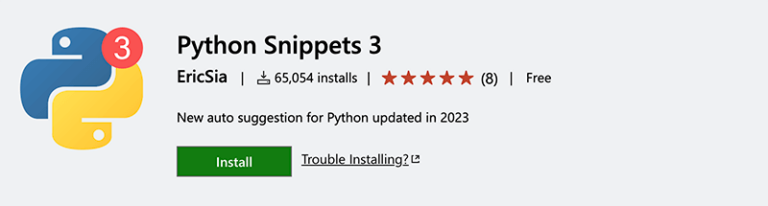
Open Snippets Office manager: Open the Command Palette by pushing Ctrl+Shift+P (or Cmd+Shift+P on macOS) and even look for “Preferences: Set up User Snippets. “
Create a Python Snippet File: Choose Python along with a new JSON file will open up where you could define your own snippets.
Add Your own Snippets: Define your current snippet in typically the following format:
json
Copy code
“Reverse a String”:
“prefix”: “reverseString”,
“body”: [
“def reverse_string(s):”,
” return s[::-1]”
],
“description”: “Snippet for reversing a string”
In the over example:
prefix: The particular trigger word to be able to insert the small (e. g., reverseString).
body: The ranges of code for your snippet.
description: A short description of the particular snippet does.
When added, typing reverseString in a Python file will auto-complete the snippet intended for you.
4. Building a Custom Minor amount Management Tool
If you prefer a more hands-on method and want to be able to build your very own snippet management instrument, you can generate a simple Python program to store and retrieve snippets. Here’s a basic instance:
Step 1: Produce a Simple Small Storage Software
This kind of program allows an individual to save tidbits in a JSON file and obtain them when required.
python
Copy computer code
import json
# Load snippets through a file
def load_snippets(file=’snippets. json’):
try:
using open(file, ‘r’) as f:
return json. load(f)
except FileNotFoundError:
returning
# Save snippets to be able to a document
def save_snippet(name, snippet, file=’snippets. json’):
snippets = load_snippets(file)
snippets[name] = snippet
together with open(file, ‘w’) while f:
json. dump(snippets, f, indent=4)
# Retrieve a snippet by name
def get_snippet(name, file=’snippets. json’):
snippets = load_snippets(file)
return snippets. get(name, “Snippet not located. “)
# Example of this utilization
save_snippet(“Reverse String”, “def reverse_string(s): returning s[:: -1]”)
print(get_snippet(“Reverse String”))
This system saves tidbits inside a JSON data file (snippets. json) plus enables you to retrieve them utilizing a simple command-line interface. You may further enhance this particular tool by putting features like updating, deleting snippets, or even categorizing them.
Phase 2: Run the particular Program
Run this specific Python script in the command line, but it will surely store your clips in a JSON apply for quick access. You can lengthen this functionality by adding a graphical user interface (GUI) applying libraries like Tkinter or building a web-affiliated tool using Flask or Django.
five. Maintaining and Organizing Your Snippet Container
Having a well-organized snippet box is crucial for maintaining the usefulness. Here usually are a few guidelines:
Categorize Your Clips: Organize snippets by topic or use case, such like strings, lists, document I/O, and codes.
Use Descriptive Brands: Name your thoughts clearly so a person can quickly recognize their purpose.
Frequently Update: As the coding skills enhance, update or boost your snippets.
Doc Your Snippets: Add comments or docstrings to clarify what each snippet does.
Conclusion
Making a Python snippet box can preserve you a lot of time to help you maintain a much more organized and successful coding workflow. Whether or not you use a simple folder, cloud-based solutions like GitHub Gist, or a small manager in the program code editor, having quick access to the most frequently used program code can produce a significant variation in productivity.
By simply maintaining a little box, you’ll not just improve your work flow but additionally ensure that will your code remains consistent across assignments. Choose the technique that best fits your needs plus begin to build your little library today!