
In recent years, schools in Ludhiana, particularly those affiliated with the Central Board of Secondary Education (CBSE), have experienced a significant transformation in their approach to education. Traditionally, Indian education has followed a lecture-based, rote-learning system. However, with the advancement in educational technology and pedagogical approaches, CBSE schools in Ludhiana have adopted innovative teaching methods, fundamentally altering the classroom experience.
This shift not only aligns with global trends in education but also ensures that students are equipped with the skills necessary to thrive in an increasingly interconnected and competitive world. In this article, we will explore how CBSE schools in Ludhiana are leveraging these innovative teaching methods to reshape education, benefiting both students and teachers.
1. Flipped Classroom Model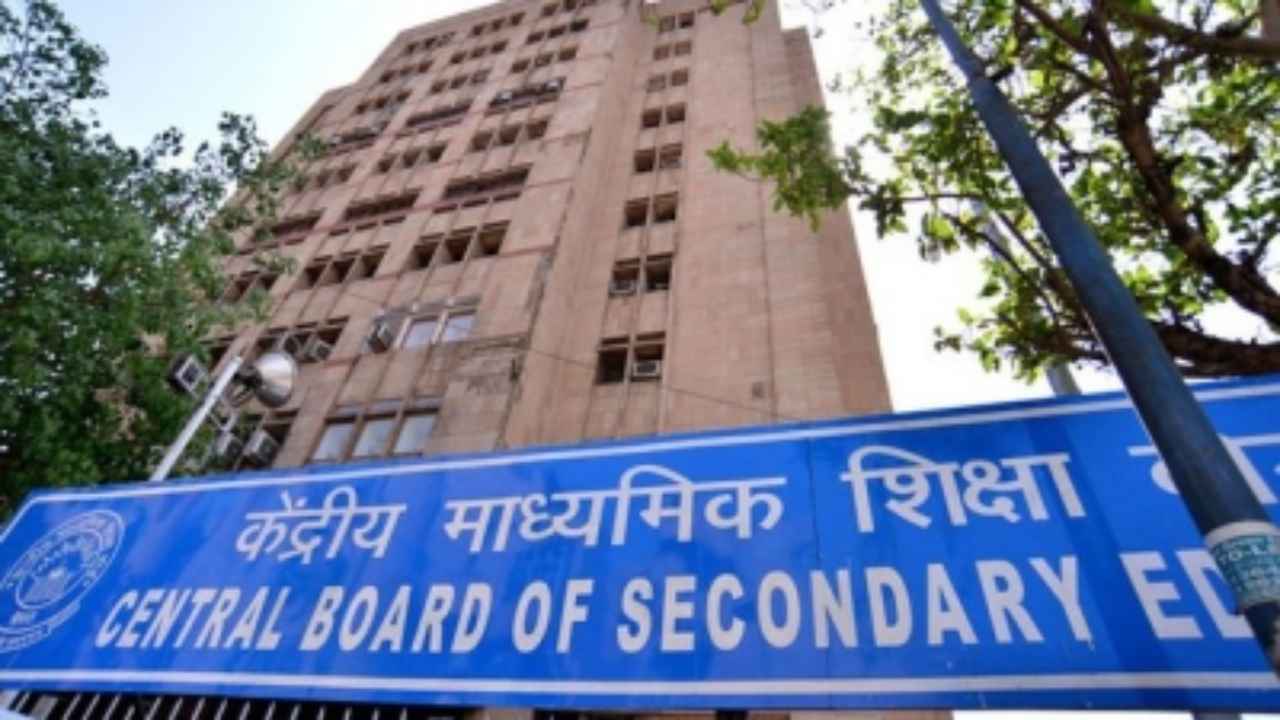
One of the most notable innovations in CBSE schools is the Flipped Classroom model. In this approach, the traditional classroom structure is reversed. Rather than learning new material in class and completing assignments at home, students are introduced to new topics via online content, videos, or readings before class. Classroom time is then devoted to discussions, problem-solving, and hands-on activities that reinforce the concepts learned.
In Ludhiana, schools such as BCM Arya Model Senior Secondary School and DAV Public School have embraced this model. Teachers provide pre-recorded lectures or reading materials through digital platforms, allowing students to absorb the foundational knowledge at their own pace. Classroom time is then dedicated to collaborative learning, where teachers guide students in applying concepts through group projects, debates, and real-world problem-solving scenarios.
This method fosters a deeper understanding of subjects, as students come to class prepared and ready to engage in active learning. Additionally, it allows teachers to identify areas where students may need further assistance, providing personalized support.
2. Project-Based Learning (PBL)
Project-Based Learning (PBL) is another revolutionary teaching method gaining traction in Ludhiana’s CBSE schools. PBL shifts the focus from traditional, theoretical learning to hands-on, experiential learning, where students work on projects over extended periods to explore and understand real-world issues. This method encourages critical thinking, creativity, collaboration, and communication—skills that are essential for success in today’s world.
In PBL environments, students tackle complex questions or problems that do not have straightforward answers. For example, students at Sat Paul Mittal School and Kundan Vidya Mandir have been working on projects related to environmental sustainability, where they create solutions to reduce plastic waste in their communities. Through these projects, students not only learn academic content but also gain a deeper understanding of societal issues and develop practical solutions.
By integrating subjects such as science, mathematics, and social studies into a single project, PBL allows students to make connections across disciplines and apply knowledge in a holistic way. This method of teaching emphasizes depth over breadth, ensuring that students are fully engaged and invested in their learning journey.
3. Digital Classrooms and Smart Boards
The digital revolution has had a profound impact on education, and CBSE schools in Ludhiana are no exception. Many schools have introduced Digital Classrooms equipped with Smart Boards and multimedia tools to enhance the learning experience. These interactive boards allow teachers to present lessons using a variety of media formats, such as videos, animations, and diagrams, making lessons more dynamic and engaging.
Schools such as Sacred Heart Convent School and Green Land Convent School have invested in smart classroom technologies to supplement traditional teaching methods. These tools make abstract concepts more tangible for students. For instance, in subjects like science, teachers can demonstrate complex processes such as cell division or chemical reactions through detailed animations that provide visual clarity, something textbooks alone cannot offer.
Digital classrooms also promote active learning, as students can interact directly with the content displayed on smart boards. These technological innovations have made learning more interactive, catering to the diverse learning styles of students, whether they are visual, auditory, or kinesthetic learners.
4. Gamified Learning
Gamification is an emerging trend in education where game design elements are used to enhance student engagement and motivation. Ludhiana’s CBSE schools have started incorporating gamified learning experiences to make the classroom environment more enjoyable and stimulating.
For example, schools are using educational apps and platforms like Kahoot!, Quizizz, and Duolingo that incorporate game-like features such as leaderboards, points, badges, and levels. These platforms make learning more interactive and competitive, pushing students to stay engaged and perform better.
Schools like Bal Bharati Public School and BCM School have embraced gamification to teach complex subjects like mathematics and languages, making them more accessible and fun for students. This method taps into the intrinsic motivation of students, encouraging them to participate actively and achieve academic goals while enjoying the process of learning.
5. view publisher site and Field Trips
Another innovative approach gaining popularity is Experiential Learning, which emphasizes learning through experience rather than traditional instruction. Field trips, internships, and outdoor learning activities play a crucial role in this approach. CBSE schools in Ludhiana are organizing trips to museums, science centers, historical sites, and nature reserves to provide students with real-world exposure.
Schools like Ryan International and Blossoms Convent School have adopted this model by incorporating more field-based learning opportunities. For instance, a visit to a local factory as part of a commerce lesson helps students understand the real-world applications of production and business management, while a trip to the Sutlej River for an environmental science project helps students gain firsthand knowledge about ecosystems and water conservation.
Experiential learning ensures that students retain information more effectively, as it involves hands-on activities that promote active engagement and long-term memory retention.
6. Collaborative Learning
Collaborative Learning encourages students to work together in groups to solve problems, complete projects, or discuss topics. This method has gained popularity as it helps students develop interpersonal and communication skills, which are critical in the modern workforce.
CBSE schools like Delhi Public School and Spring Dale Senior School have implemented collaborative learning techniques, where students are grouped to work on projects, debates, or research papers. This method allows students to learn from one another, share ideas, and engage in meaningful discussions. It also helps students develop empathy, as they learn to listen to and respect different perspectives.
Teachers play the role of facilitators in this model, guiding discussions and providing support when needed. Collaborative learning also prepares students for real-world scenarios, where teamwork and cooperation are often essential for success.
7. Personalized Learning
In recent years, CBSE schools in Ludhiana have shifted towards Personalized Learning, a student-centered approach where the pace of learning and the instructional approach are tailored to meet the individual needs and preferences of each student. This method allows students to take ownership of their learning by setting their own goals, working at their own pace, and choosing learning activities that suit their interests.
Schools like Guru Nanak Public School and DAV Public School have embraced personalized learning through adaptive learning platforms that provide customized lessons based on student performance. These platforms use artificial intelligence (AI) to track a student’s progress and adjust the level of difficulty accordingly, ensuring that students are neither bored with easy tasks nor overwhelmed with difficult ones.
Personalized learning ensures that each student receives the attention and resources they need to succeed, making the learning experience more effective and enjoyable.
Conclusion
The classroom experience in CBSE schools in Ludhiana is undergoing a significant transformation, driven by innovative teaching methods that focus on engagement, collaboration, and real-world applications. With the adoption of flipped classrooms, project-based learning, digital classrooms, gamification, experiential learning, collaborative techniques, and personalized learning, students are not only absorbing information but also developing critical thinking, problem-solving, and interpersonal skills that will serve them well beyond the classroom.
As CBSE schools in Ludhiana continue to explore and implement these methods, the future of education in the city looks brighter than ever. Students are being prepared not just for academic success but for the challenges and opportunities of a rapidly changing world.