
Introduction:
Autoflowering cannabis cultivation has received enormous popularity among the Canadian growers owing to its rapid growth cycle and fairly problem-cost-free character. On the other hand, like any cultivation endeavor, it will come with its very own set of troubles. From pest infestations to nutrient deficiencies and environmental stressors, Canadian growers confront many road blocks on their journey to a prosperous autoflower harvest. In this extensive tutorial, we will delve into these problems and supply actionable solutions to make certain a flourishing autoflower hashish crop.
Comprehension Autoflower Cannabis Cultivation:
Autoflowering hashish strains are prized for their means to transition from the vegetative phase to the flowering stage mechanically, without relying on modifications in mild cycles. This special trait makes it possible for for a lot quicker harvests and greater overall flexibility in increasing environments. On the other hand, inspite of their strengths, autoflowers are not immune to challenges that can impede their development and enhancement.
Widespread Troubles Faced by Canadian Growers:
Pest Administration:
Pest infestations pose a substantial menace to autoflower cannabis cultivation in Canada, significantly in indoor and outdoor configurations. Typical pests incorporate spider mites, aphids, thrips, and whiteflies, which can rapidly multiply and wreak havoc on your plants.
Resolution:
Utilizing proactive pest administration procedures is essential for safeguarding your autoflower crop. This incorporates normal monitoring of crops for symptoms of infestation, introducing helpful bugs like ladybugs and predatory mites, and applying natural pesticides as a last resort. In addition, keeping right airflow and cleanliness in your improve area can help prevent pests from having hold.
Nutrient Deficiencies:
Nutrient deficiencies can occur when autoflowering cannabis vegetation are not receiving sufficient amounts of vital nutrition this kind of as nitrogen, phosphorus, potassium, calcium, magnesium, and micronutrients like iron and zinc. Canadian growers may well experience nutrient deficiencies due to fluctuations in soil pH, inadequate nutrient absorption, or improper feeding schedules.
Remedy:
To stop and deal with nutrient deficiencies, it really is crucial to begin with significant-quality soil or nutrient mixes specifically formulated for cannabis cultivation. Routinely check the pH concentrations of your soil or hydroponic solution and modify as necessary to retain ideal nutrient uptake. Stick to a well balanced feeding routine utilizing organic and natural or synthetic fertilizers developed for cannabis crops, and nutritional supplement with micronutrients if vital. On top of that, incorporating compost teas or organic and natural amendments can increase soil wellbeing and nutrient availability about time.
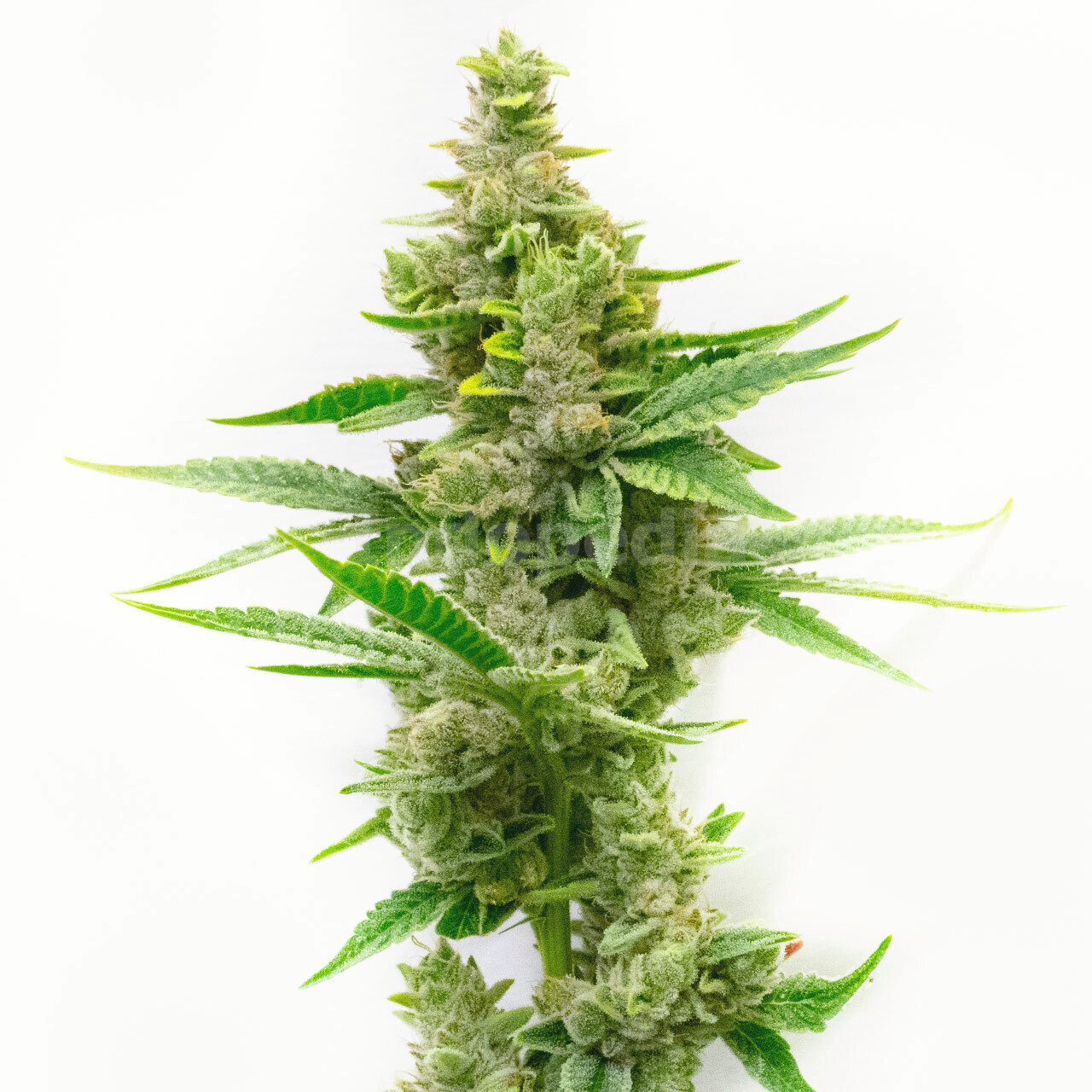
Environmental Stressors:
Canadian growers encounter a array of environmental stressors that can impression autoflower cannabis cultivation, like temperature fluctuations, humidity imbalances, gentle pollution, and inclement climate disorders. These stressors can stunt advancement, decrease yields, and enhance the possibility of condition and pest infestations.
Alternative:
Generating a managed natural environment is key to minimizing the effects of environmental stressors on your autoflower crop. Indoors, invest in local climate manage devices such as HVAC programs, dehumidifiers, and supplemental lighting to maintain steady temperature and humidity amounts through the increasing cycle. Outdoors, think about employing additional info or material pots that give some degree of protection from harsh weather ailments whilst still allowing for for ample airflow and sunlight publicity. Also, using gentle deprivation methods can support regulate flowering moments and maximize yields, in particular in locations with shorter growing seasons.
Conclusion:
Autoflower hashish cultivation in Canada presents its own special established of worries, from pest administration and nutrient deficiencies to environmental stressors. Having said that, with suitable scheduling, vigilance, and proactive steps, these difficulties can be triumph over to obtain bountiful harvests of significant-high-quality autoflower buds. By implementing the answers and strategies outlined in this guideline, Canadian growers can make certain a thriving and worthwhile autoflowering hashish cultivation experience, no matter whether indoors or outdoors. Pleased escalating!