
Introduction:
Cannabis, scientifically recognized as Hashish, is a plant with a wealthy heritage intertwined with human civilization. Although a great deal interest has been offered to its psychoactive houses and medicinal potential, the genetic make-up of marijuana seeds performs a important function in determining the plant’s expansion, potency, and general qualities. In this article, we are going to delve into the intricate entire world of marijuana seed genetics, checking out how different genetic variables condition the attributes of cannabis crops.
Understanding Cannabis Genetics:
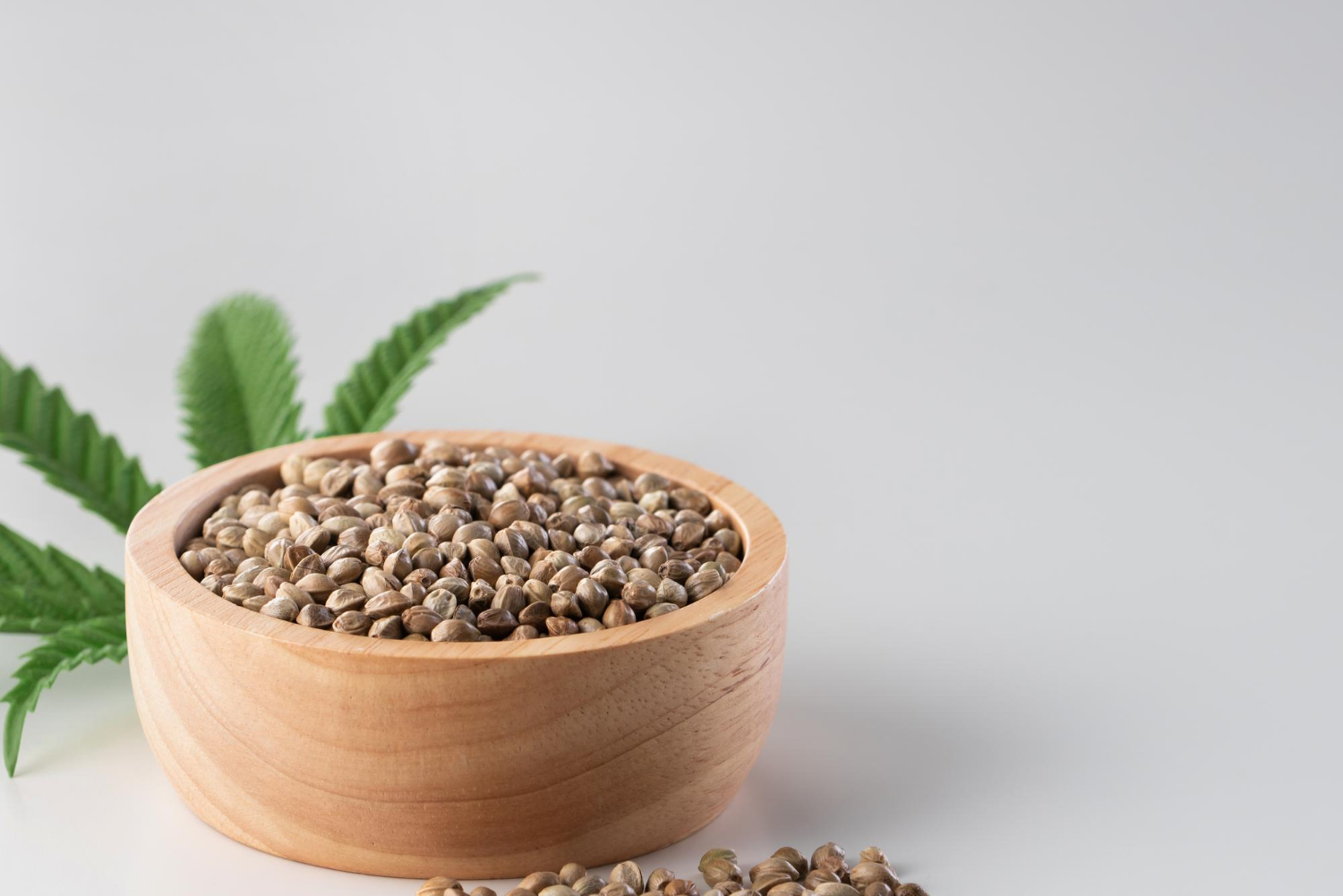
At its main, the genetic makeup of a cannabis plant determines its physical appearance, cannabinoid profile, terpene composition, and total growth features. Each cannabis pressure is a solution of its genetic heritage, inherited from its guardian plants through seeds. These seeds have the blueprint for the plant’s development and eventually influence its phenotypic expression.
Genetic Variables Influencing Plant Traits:
Cannabinoid Profile:
Cannabinoids these as THC (tetrahydrocannabinol) and CBD (cannabidiol) are the most important compounds dependable for the psychoactive and medicinal properties of marijuana, respectively. The genetic composition of marijuana seeds dictates the ratio of THC to CBD produced by the plant. Strains with substantial THC material are frequently involved with recreational use, although all those with greater CBD levels may well provide therapeutic rewards devoid of the psychoactive consequences.
Terpene Composition:
Terpenes are fragrant compounds located in lots of plants, which include hashish, and add to its flavor, aroma, and probable therapeutic consequences. you can check here -up of marijuana seeds influences the production of various terpenes, main to a large selection of flavor profiles and medicinal houses throughout many strains.
Plant Morphology:
The genetic features inherited from guardian plants figure out the physical qualities of cannabis vegetation, such as plant peak, leaf shape, flower structure, and general advancement patterns. Some strains could exhibit indica-dominant features, characterised by limited, bushy plants excellent for indoor cultivation, when many others may possibly screen sativa-dominant attributes, with taller, much more elongated vegetation suited for outside progress.
Generate Probable:
Genetic components also perform a part in identifying the yield prospective of marijuana plants. Some strains are bred for significant yields, developing more substantial portions of flower for every plant, while some others prioritize top quality above quantity, yielding more compact but extra powerful buds. Things this kind of as flowering time, nutrient demands, and environmental adaptability are affected by the genetic make-up of the seeds.
Selective Breeding and Hybridization:
The diversity of cannabis strains out there these days is the final result of selective breeding and hybridization procedures utilized by cultivators and breeders. By cautiously choosing parent vegetation with wanted qualities and crossbreeding them, breeders can make new types with one of a kind properties. Hybrid strains, which blend the genetic features of unique cannabis versions, supply a broad array of flavors, outcomes, and growth styles personalized to satisfy the numerous preferences of customers.
Genetic Security and Phenotypic Variation:
When genetics enjoy a elementary function in shaping the qualities of marijuana crops, it really is necessary to figure out that environmental things also impact phenotypic expression. Even inside of a one strain, variants in escalating situations these kinds of as temperature, humidity, nutrient degrees, and mild publicity can guide to differences in plant morphology, cannabinoid profile, and terpene composition. In addition, genetic balance can fluctuate among hashish seeds, with some strains exhibiting more consistent attributes throughout unique rising environments than others.
The Role of Genetics in Hashish Exploration and Innovation:
Improvements in genetic sequencing and molecular biology have opened up new avenues for hashish exploration and innovation. By unraveling the genetic code of marijuana crops, researchers can gain insights into the biochemical pathways liable for cannabinoid and terpene manufacturing, as effectively as the genetic foundation of characteristics these kinds of as condition resistance and environmental adaptability. This knowledge can tell breeding applications aimed at establishing new strains with improved medicinal houses, bigger yields, and improved resilience to pests and conditions.
Conclusion:
The genetic makeup of marijuana seeds serves as the basis on which the features of hashish plants are constructed. From cannabinoid profile and terpene composition to plant morphology and produce likely, genetic components enjoy a important purpose in shaping the various array of hashish strains readily available now. By knowing the complexities of cannabis seed genetics, cultivators, breeders, and scientists can unlock new opportunities for innovation and discovery in the industry of cannabis science.